It’s non-toxic! And it was one of the earliest hallucinogens and painkillers.(Minors Under 18: No Purchase or Cultivation Permitted)
According to legend, the earliest recorded users of Lophophora (Buddha's Head Cactus) among Native Americans were the Huichol people of northern Mexico, along with tribes from Oklahoma and Texas. It was also used by nations of the Athabascan language family. The Tonkawa, Mescalero, and Lipan Apache tribes were among the first in northern Mexico to venerate Lophophora—they also played a key role in introducing it to newer communities and the Kiowa tribe. Evidence of its use in religious rituals, ceremonies, and healing practices dates back over 2,000 years.
By the 19th century, Native American tribes in northern America had adopted Lophophora for spiritual purposes. They revered it as "sacred medicine," using it to address spiritual, physical, and social afflictions. From the 1880s to the 1930s, the U.S. government banned religious ceremonies involving Lophophora. The Navajo tribe of the American Southwest only began using it in the early 20th century—this practice was not part of their traditional culture until introduced by the neighboring Ute tribe.
John Bigelow was the first to bring Lophophora to the attention of the Western scientific community. In 1897, Arthur Heffter conducted experiments on its effects. Norwegian ethnographer Carl Lumholtz studied its use by Mexican indigenous groups and documented that during the American Civil War, the Texas Rangers would soak Lophophora and consume it.‘
1. Medicinal Potential: Traditional & Scientific Merit
Rich in unique alkaloids (including mescaline), Lophophora has demonstrated certain pharmacological properties, such as antibacterial effects and the ability to inhibit microbial growth. Traditionally, it was used to alleviate toothaches, labor pains, skin conditions, rheumatism, diabetes, colds, and even symptoms related to neurasthenia, hysteria, and asthma. Modern research also indicates that its extracts can combat penicillin-resistant Staphylococcus aureus strains, highlighting its potential in microbial inhibition.
2. Environmental Benefit: A Natural Air Improver
Lophophora offers practical environmental value: it absorbs carbon dioxide and releases oxygen at night, a rare trait among plants. It also helps regulate air humidity, effectively improving indoor air quality. Adding this succulent to your home not only enhances aesthetics but also contributes to a healthier living environment.
3.Lophophora Popularity Ranking
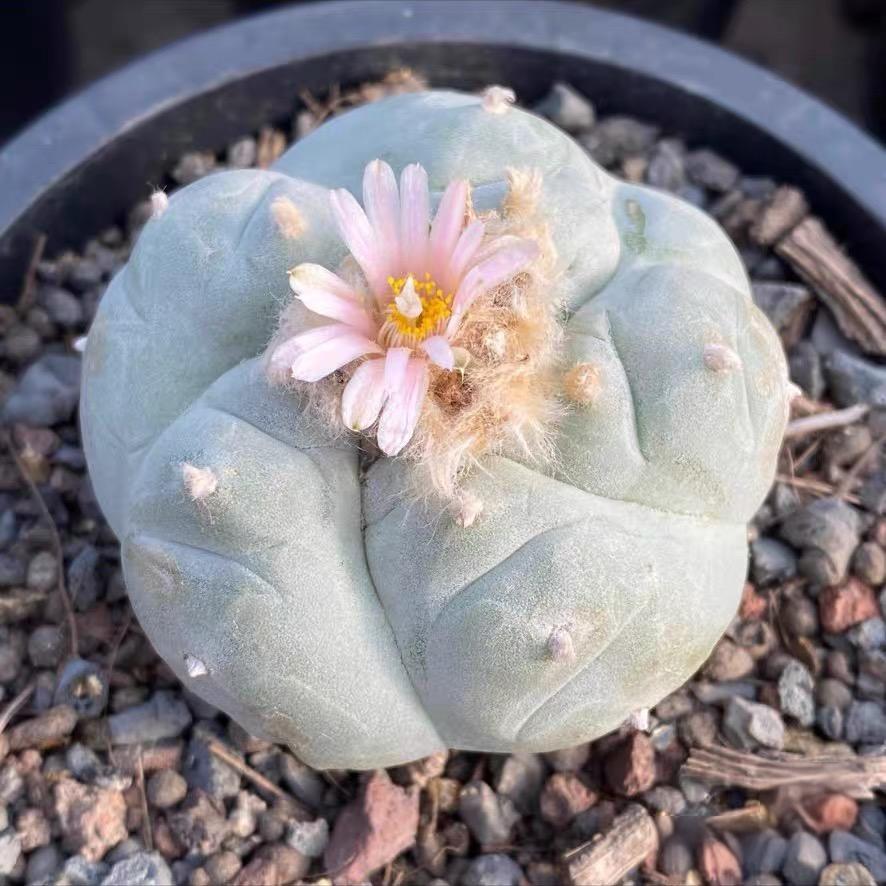
In terms of current market performance, the popularity ranking of these three major Lophophora species is: Lophophora fricii (Silver Crown Cactus), followed by Lophophora williamsii (Peyote) and Lophophora diffusa (Diffuse Peyote).
This ranking largely stems from Lophophora fricii’s greater success in horticultural selection, perfectly aligning with mainstream aesthetic preferences. It boasts diverse skin colors—white, blue-white, extra white, and more—along with a wide range of tubercle shapes: large, small, Buddha’s head-like, gourd-shaped, pumpkin-shaped, and beyond. Additionally, it has attracted more renowned breeders, with many cultivars named after their originators, such as Zhong Yong, Sakata, Furuta, Hasegawa, and others. In comparison, Lophophora williamsii and Lophophora diffusa fall slightly behind in terms of market hype.
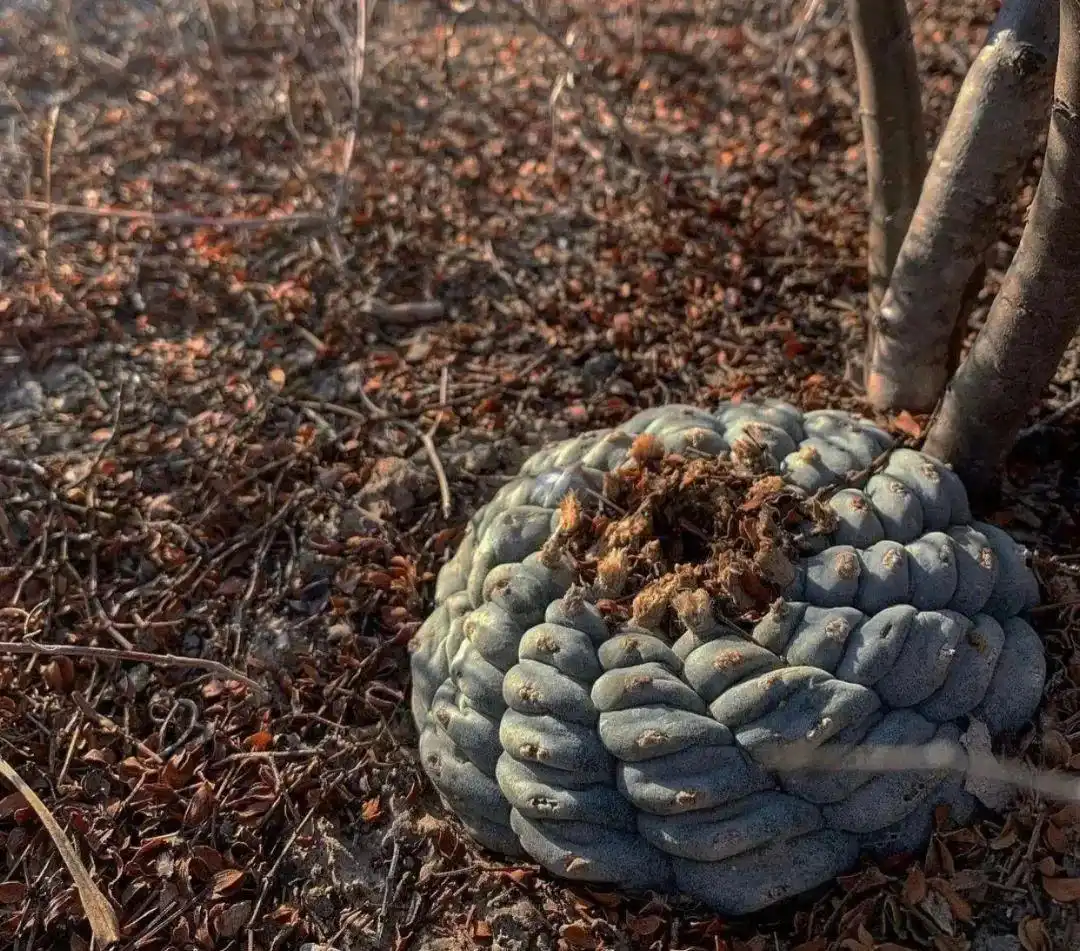
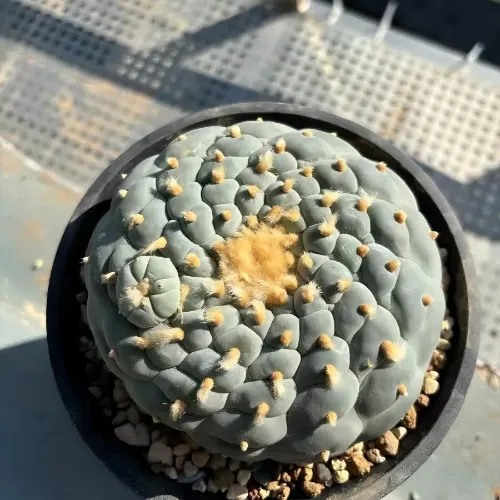
Today, our spotlight falls on Lophophora williamsii var. texana (Ribbed Peyote)—the most rugged and masculine member of the entire Lophophora genus. Its vertical and horizontal ridges interweave to form abs-like tubercles, reminiscent of a bodybuilder’s six-pack. With its robust, sharply defined, and handsome silhouette, it leaves a lasting impression on anyone who sees it.