Let’s be real—when we talk about Lophophora (better known as peyote), most of us fixate on their iconic traits: the smooth, fleshy skin in soft greens or blues, the subtle ridges that curve gently around the globe, and those tiny, fuzzy areoles that give them their signature "pillow-like" charm. But how often do we stop to gush about their flowers? These delicate blooms are like the plant’s best-kept secret—overlooked by many, yet utterly captivating once you take a closer look.
Sure, peyote flowers usually only get a shoutout when distinguishing between species. But today, we’re flipping the script: we’re here to *admire* these blooms first, then touch on the simple ways to tell Lophophora varieties apart by their flowers. Because let’s face it—when a peyote bursts into bloom, it’s a moment that deserves all the attention.
## How to Identify Lophophora Species by Their Flowers (Simplified!)
Let’s keep it straightforward—no fancy botany jargon, just easy-to-spot differences that even new succulent lovers can pick up on:
1. Lophophora williamsii (True Peyote)
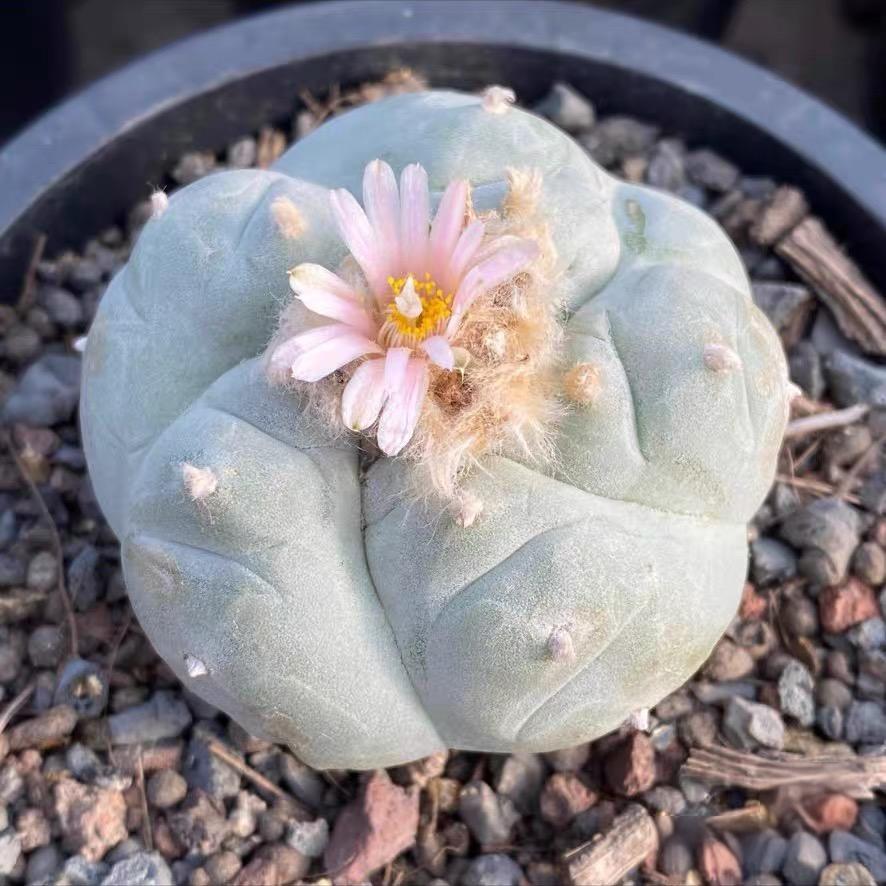
The classic peyote species! Its flowers are soft pink to deep magenta—think cotton candy with a rich, velvety hue. But the real standout is the pistil (the central "female" part of the flower). It’s thick, robust, and usually matches the flower’s color in a warm, fleshy pink shade. The petals are delicate and slightly ruffled, opening up to about 1cm wide—small, but packed with charm.
### 2. Lophophora fricii (Silver Crown Cactus)
At first glance, L. fricii’s flowers look similar to L. williamsii—they’re also pink to magenta, with a similar petal shape. But here’s the telltale sign: the pistil. It’s almost always pure white and noticeably slimmer than that of true peyote. Think of it as the "elegant cousin"—same lovely color palette, but with a more delicate central detail.
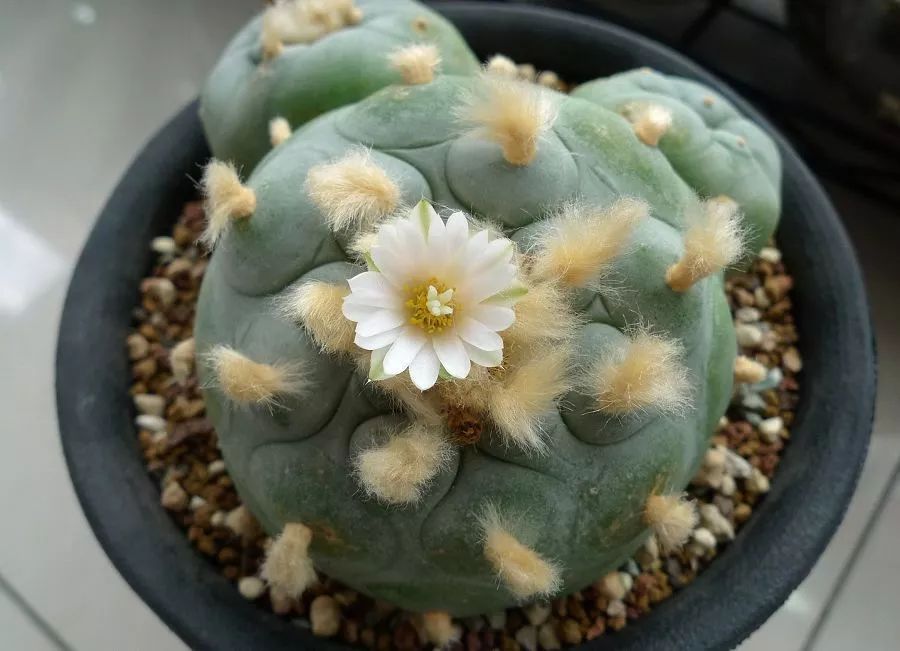
### 3. Lophophora diffusa (Diffuse Peyote / Green Crown Cactus)
If you’re new to peyote identification, L. diffusa is your easy win. This species blooms with stunning, pure white flowers—bright, creamy, and impossible to mix up with the pink blooms of the other two. The petals are often a touch larger and more rounded, making them look like tiny white stars sitting atop the cactus. No guesswork here—if it’s a white peyote flower, it’s almost certainly L. diffusa!
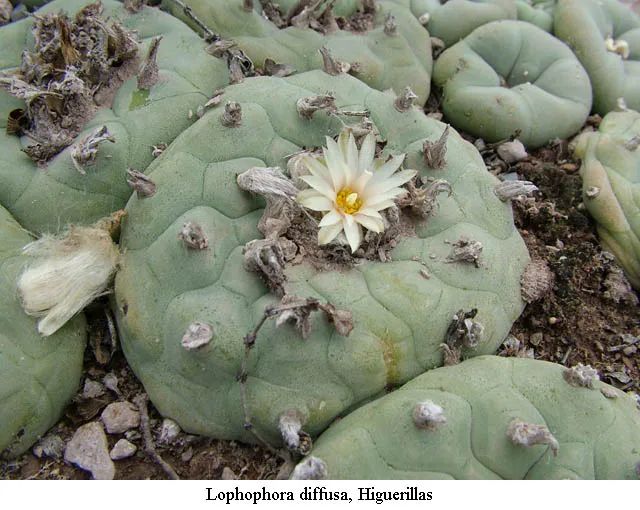
Now, let’s be clear: these are the *basic* rules. Peyote is a diverse genus, and there are plenty of hybrids, cultivars, and rare variants that might break the mold (some L. williamsii have paler pink flowers, or L. fricii might have a slightly pink-tinged pistil). But for everyday identification—especially if you’re just starting your peyote collection—these cues work perfectly.
And honestly? We’re not here to deep-dive into taxonomy today. First, because we’re too busy marveling at how pretty these flowers are. Second, let’s keep it humble—I’m no botany expert, and overcomplicating things would take all the fun out of admiring these plants. Third, and most importantly: peyote is a cactus, yes—but its flowers are its most magical feature. Why get bogged down in details when we can just enjoy the view?
## The Magic of Peyote in Bloom
For too long, peyote’s beauty has been defined by its structure—its skin, ridges, and areoles. But let’s ask ourselves: isn’t the whole point of a plant flowering to show off its most vibrant self? Think about it—when peyotes aren’t in bloom, we study their texture and shape. But when those tiny buds pop open? Suddenly, the plant transforms. It’s no longer just a "cool-looking cactus"—it’s a living, blooming work of art.
Peyote in bloom is pure joy. The flowers emerge from the center of the cactus, nestled among the fuzzy areoles, like little bursts of color against the soft green flesh. And if you’re lucky, you might spot tiny reptilian visitors—small lizards that curl up next to the flowers, sometimes even savoring the nectar or nibbling the petals (don’t worry, it’s all part of nature’s cycle!).
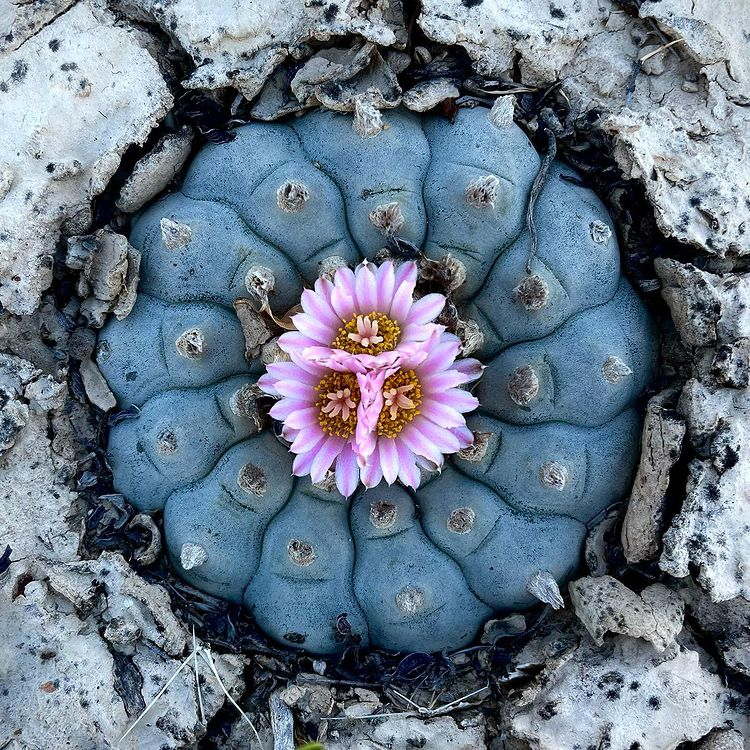
What makes peyote blooms even more exciting is their tendency to surprise. It’s common to see a single peyote plant bloom with two flowers at once—like a pair of tiny pink or white twins. Some even push out three, four, or more blooms in a single flush! Imagine a small peyote globe covered in 4 delicate pink flowers—each one opening up to the sun. That’s not just "cool"—that’s *impressive*.
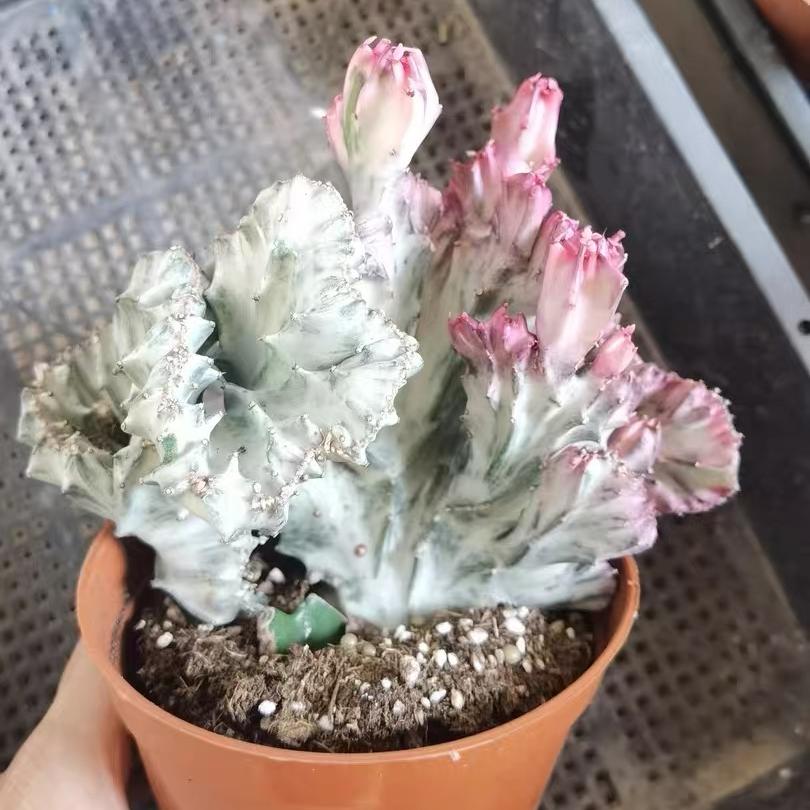
But if you want to see something truly jaw-dropping, look for crested peyote (cristata). These rare, mutated plants grow in wavy, fan-like shapes instead of round globes, and when they bloom? They’re covered in dozens of flowers—so many that you can barely see the cactus itself. It’s a chaotic, beautiful display that feels like nature showing off.
Group-planted peyotes are another sight to behold. When a cluster of peyotes blooms at the same time, it’s like a carpet of pink, magenta, or white flowers popping up from the soil. The contrast between the soft, muted cactus bodies and the bright blooms is stunning—perfect for photos (and for making your succulent collection the envy of every plant lover).
And let’s not forget variegated peyote (also known as "peyote variegata" or "fish variegation"). These rare specimens have streaks or patches of yellow, cream, or pink in their flesh, and when they bloom? The flowers stand out even more against the variegated background. It’s like adding a splash of paint to an already beautiful canvas—taking the peyote’s beauty to a whole new level.
## Fun Facts About Lophophora Williamsii (True Peyote)
To wrap up our flower-focused chat, let’s dive into a few quick facts about the star of the show: Lophophora williamsii.
First, the name: "Lophophora" comes from the Greek words "lophos" (meaning "crest" or "hilltop") and "phoreo" (meaning "to carry"), which refers to the tiny tufts of fuzz (areoles) that dot the top of the cactus—like little hills on its surface. Native to the deserts of southern Texas, New Mexico, and northern Mexico, this cactus is built for survival. It has a massive taproot (sometimes 10cm or longer!) that soaks up water during the short rainy season, and during droughts, the entire plant shrinks down into the soil to conserve moisture—waiting patiently for the next rain.
Peyote is unique among cacti because it has no spines. Instead, its areoles are covered in soft, white or yellowish fuzz—making it one of the few "touch-friendly" cacti out there. The flowers are small (about 1cm in diameter) but mighty: they bloom for a short period (usually a few days to a week) and are self-pollinating, meaning each flower can produce seeds on its own. The fruit that follows is a long, red or pink club-shaped pod, filled with 10-30 tiny seeds—perfect for propagating new plants.
In the wild, peyote can handle extreme conditions: scorching sun, temperatures over 50°C (122°F), and huge昼夜温差 (day-night temperature swings). But in cultivation, they’re surprisingly low-maintenance—just give them plenty of sunlight, well-draining soil, and let the soil dry out completely between waterings. And if you’re lucky enough to get your hands on a blooming peyote? Make sure to take lots of photos—those flowers don’t last long!
## Wrapping Up
Today, we set out to celebrate the underrated beauty of peyote flowers—and honestly, I hope I’ve convinced you to look at these cacti a little differently. Next time you admire a peyote’s smooth skin or gentle ridges, take a moment to check if there are any buds hiding in the fuzz. You might just be rewarded with a tiny, vibrant flower that steals the show.
Remember, the three main Lophophora species are easy to tell apart by their flowers: L. williamsii (pink/magenta blooms, thick pink pistil), L. fricii (pink/magenta blooms, slim white pistil), and L. diffusa (pure white blooms). But beyond identification, the real joy is in appreciating the flowers for what they are—delicate, colorful, and a reminder of how amazing nature is.
Whether you’re a seasoned peyote collector or just starting to fall in love with succulents, I hope you’ll take the time to stop and smell the (tiny) flowers. After all, life’s too short to overlook the little beauties—especially when they’re as charming as peyote blooms.
That’s it for today’s Succulent Talk! If you have any questions, want to share photos of your blooming peyotes, or have other succulent topics you want me to cover, feel free to reach out. Until next time—happy growing, and happy flower-watching!
P.S. A quick reminder: Wild Lophophora species are protected under CITES (the Convention on International Trade in Endangered Species of Wild Fauna and Flora) due to overharvesting. All peyotes sold legally are cultivated (grown by nurseries, not taken from the wild). When buying peyotes, always choose reputable sellers to support sustainable cultivation—and help protect wild populations.