Core Soil Mix Principles:
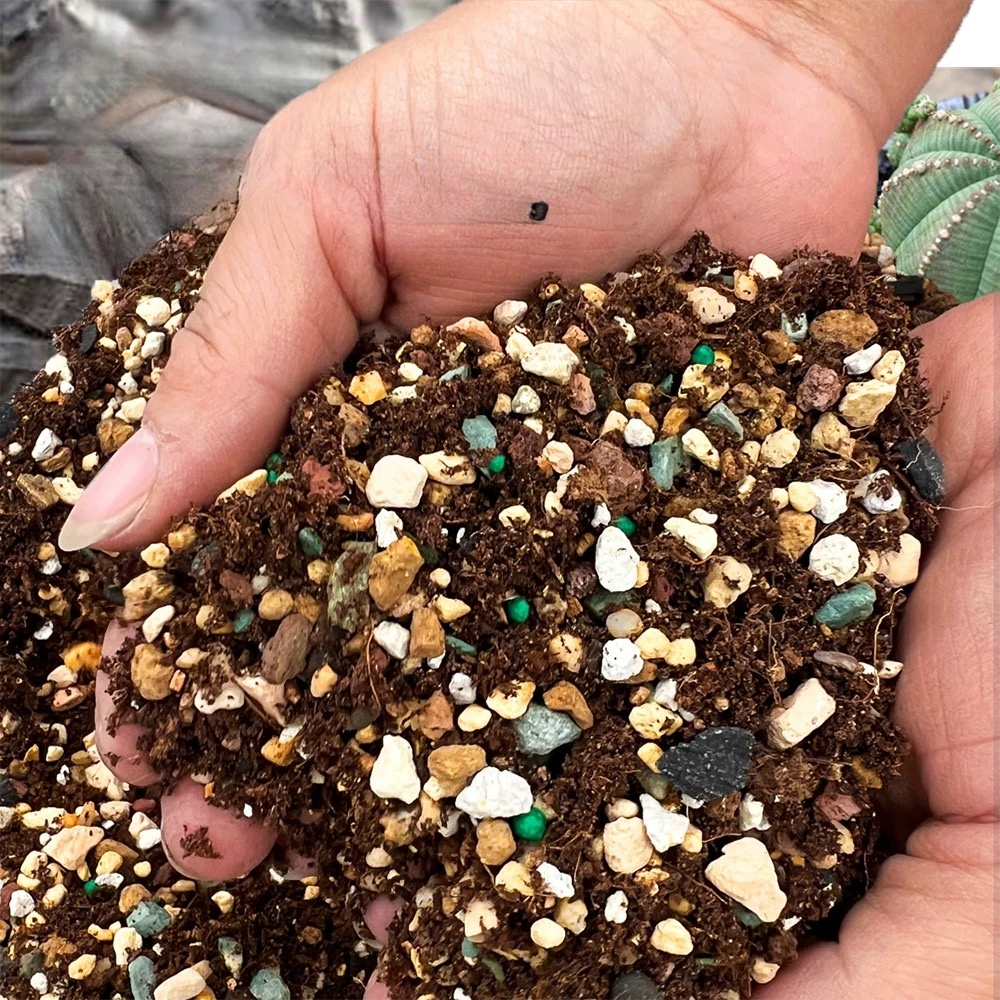
Since cacti are succulents prone to root rot from waterlogging, prioritize excellent drainage and aeration by using a loose, free-draining mix – avoid garden soil or heavy clays with high water retention, as recommended by all experts. For faster growth (crucial for my dad’s cactus nursery, where time is money), we focus on maximizing growth rate. Thus, we offer two soil options: )
1 Grower/Expert Mix (Growth-Oriented): Slightly more expensive.
2 Home/Garden Mix (Hobby-Oriented): More affordable.
Choose based on your needs!
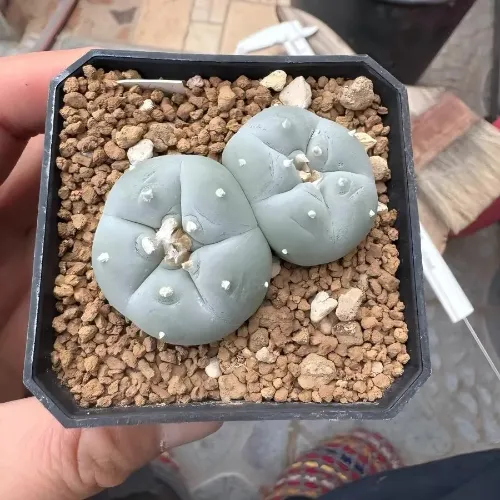
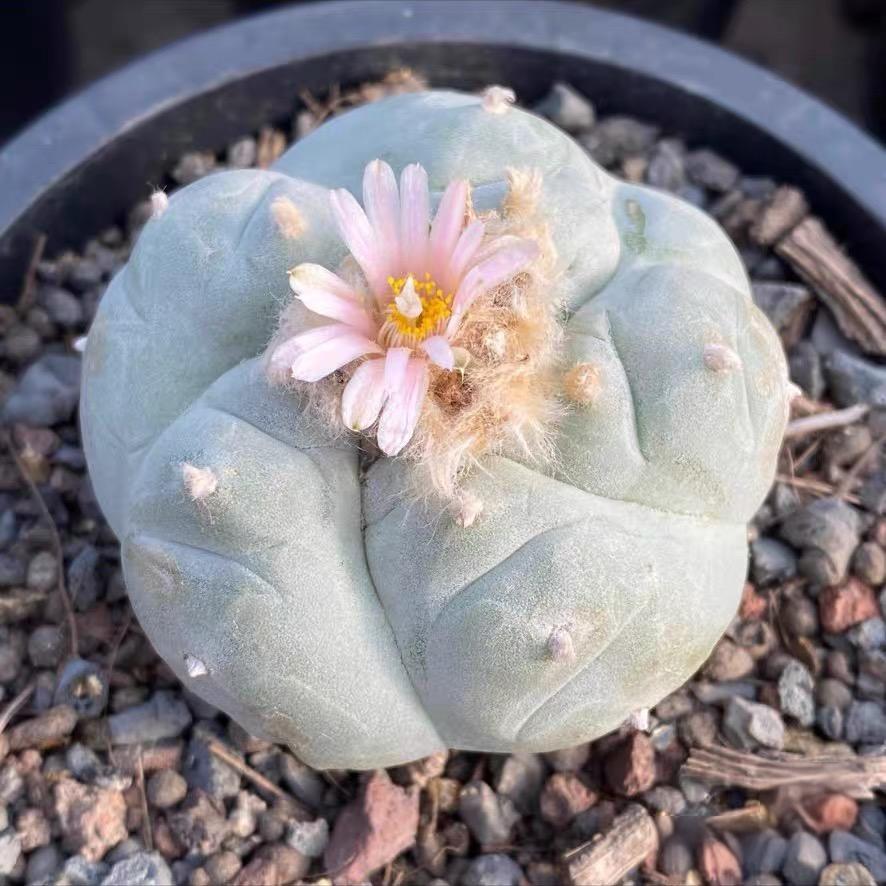
With shallow, sensitive root systems, these cacti need exceptional drainage and neutral-to-slightly acidic soil (pH 6.0–6.5).
- 30% 3–6mm lava rock (boosts drainage)
- 30% coarse sand (quartz sand preferred, 2–4mm grain size)
- 20% pumice (improves soil structure)
- 15% coarse peat moss (sifted to remove fine dust)
- 5% well-rotted sheep manure (slow-release nutrients—use sparingly)
- pH Adjustment: Tweak to 6.0–6.5 with a pinch of sulfur powder if needed.
- 50% 3–6mm akadama
- 30% coarse river sand
- 20% fully decomposed leaf mold (fermented for at least 6 months)
- Steer clear of garden soil and perlite—perlite tends to break down over time, clogging soil pores.
- Feed with a low-nitrogen, high-potassium fertilizer (e.g., 1:3:2 ratio) once a month during the growing season, diluted to 1/4 strength.
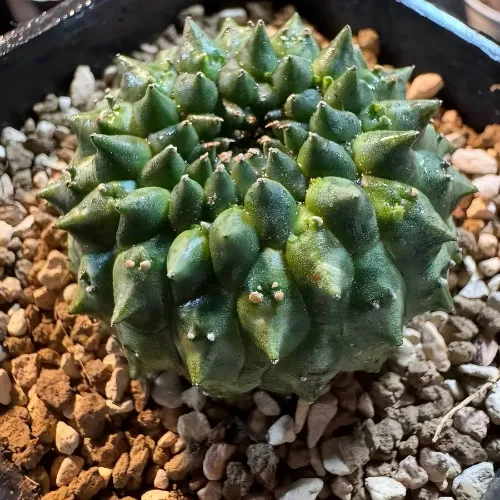
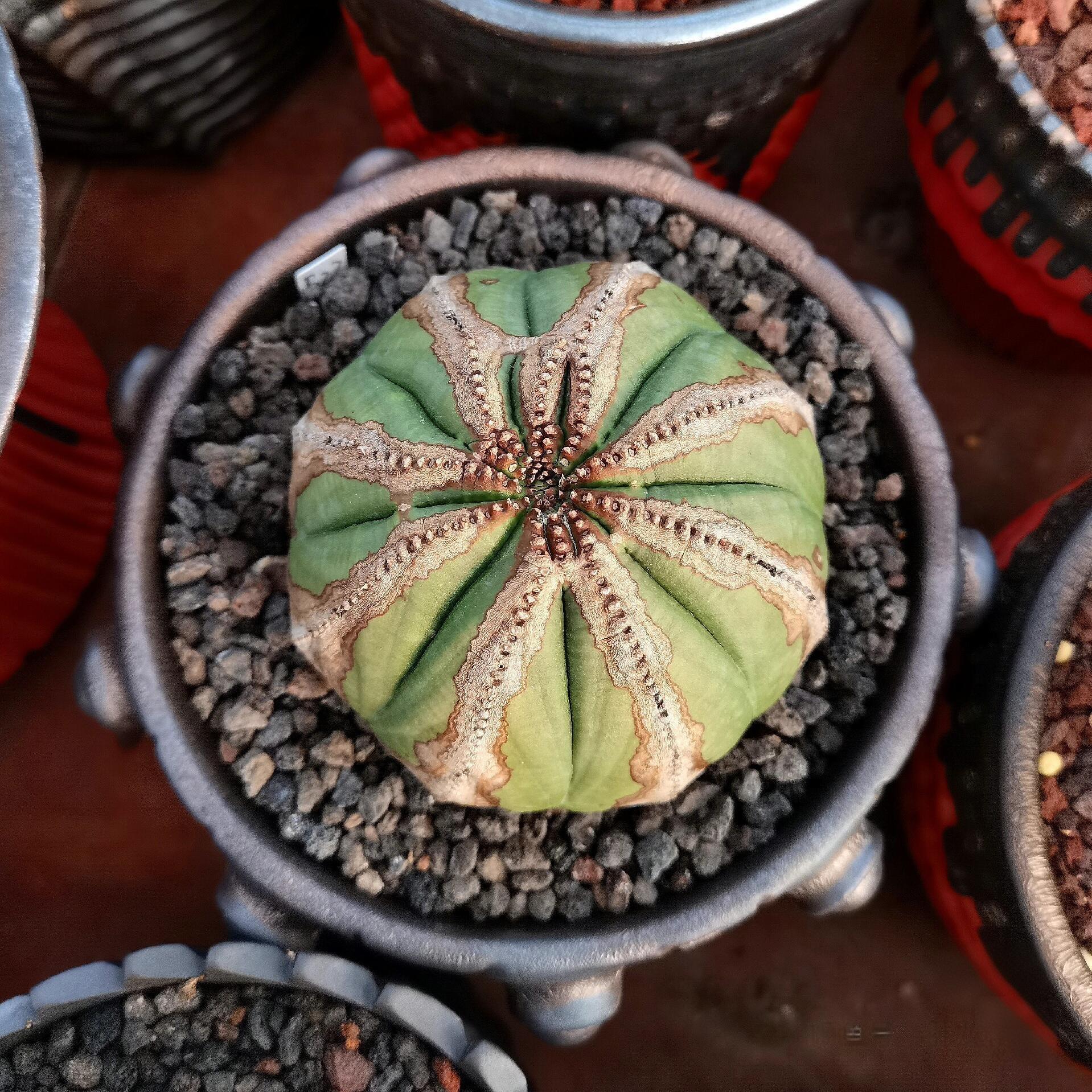
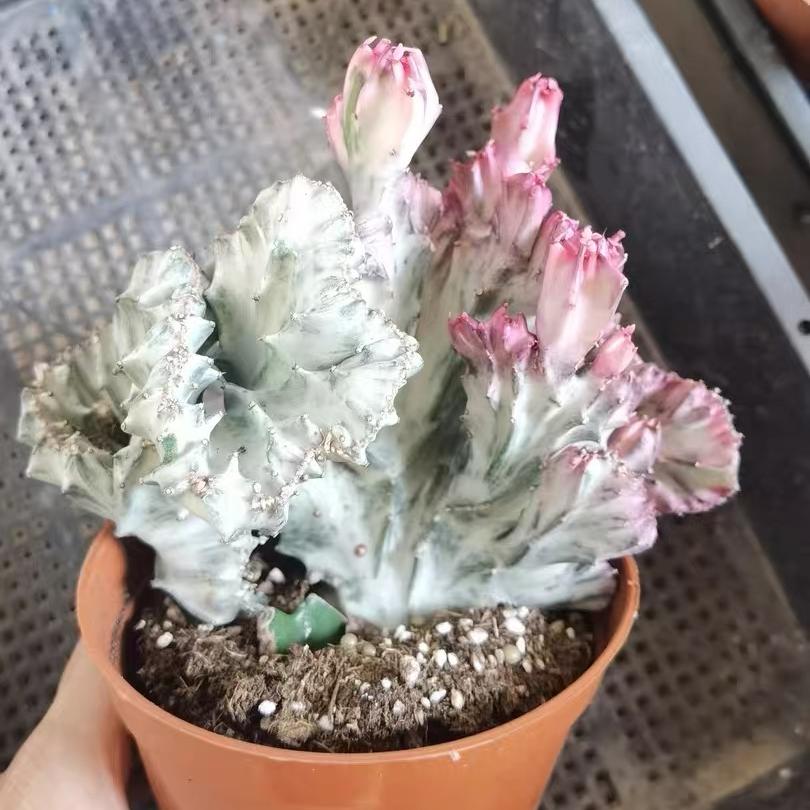
Don’t confuse euphorbias with true cacti—they’re far more sensitive to moisture. Their soil needs to be peat-free and high in minerals.
- 60% particle blend (30% 3–6mm maifan stone + 30% 1–3mm diatomaceous earth)
- 30% desalted coco coir (soak for 24 hours, then drain thoroughly)
- 10% volcanic ash (adds trace minerals)
55% Inorganic Particles:
- 55% Maifan Stone (3-6mm) - Provides excellent drainage and essential minerals.
45% Organic Components:
-
- 30% Desalted Coco Coir - Soak in water for 24 hours, then drain. Retains some moisture without waterlogging.
- 15% Mature Leaf Mold (sieved) - Provides minimal nutrients release.
- Euphorbia roots secrete acidic substances, so maintain soil pH at 6.5–7.0.
- Follow the “soak and dry” watering rule—only give tiny amounts of water 1–2 times a month during extreme summer heat.
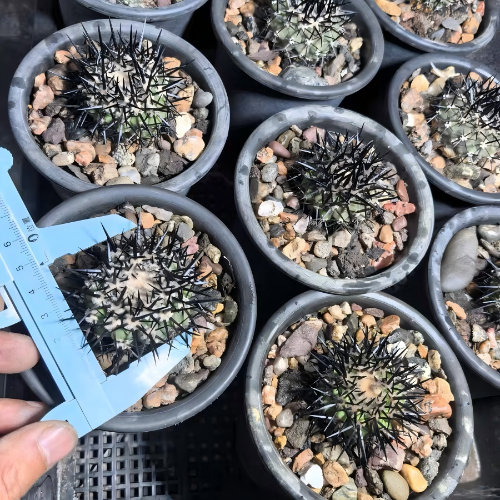
Native to the arid Atacama Desert, these cacti thrive in gritty, rock-like soil that mimics their natural habitat.
- 70% coarse particle blend (40% 5–10mm granite gravel + 30% lava rock)
- 20% coarse sand (2–5mm grain size)
- 10% weathered basalt powder (enhances aeration)
- 75% Inorganic Particles:
- 75% Coarse River Sand or Quartz Sand (2-5mm) - Mimics the desert sand of their native environment.
- 25% Organic Components:
- 15% Desalted Coco Coir - Provides just enough moisture retention.
- 10% Weathered Basalt Powder - Enhances mineral content and promotes healthy spine development.
- Copiapoa humilis (clumping type): Reduce particles to 60% and add 10% humus to encourage clumping.
- Copiapoa tenuissima (fine-spined type): Increase vermiculite by 10% to maintain slight moisture for healthy spine development.
- Line the bottom of pots with a 3–5cm layer of ceramic shards to boost drainage.
- Withhold water completely during winter dormancy—keep soil absolutely dry.
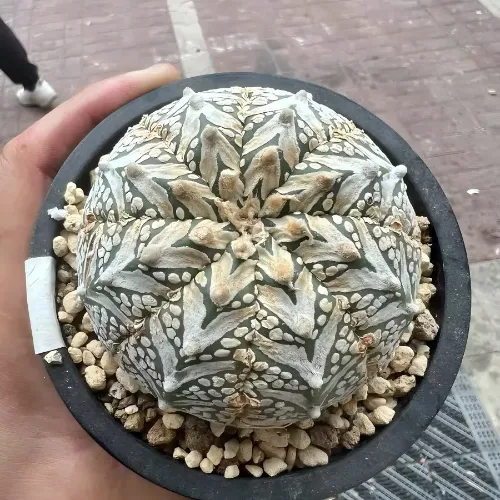
These cacti prefer alkaline soil rich in calcium and magnesium, with strictly controlled organic matter.
- 50% particle blend (30% 3–6mm pumice + 20% limestone gravel)
- 30% coarse sand (quartz sand preferred)
- 15% peat moss (only for seedlings—avoid with mature plants)
- 5% bone meal (provides phosphorus and calcium to promote areole development)
- 60% Inorganic Particles:
- 30% Pumice (3-6mm) - Lightweight and porous, won't compact around roots.
- 30% Perlite (1-3mm) - Enhances aeration.
- 40% Organic Components:
- 40% Garden Soil (mixed 1:1 with river sand) - Increases soil stability.
Raise soil pH to 7.5–8.0 with lime powder to replicate their native limestone habitats.
- Repot mature plants annually with fresh gritty soil to prevent salt buildup.
- Provide 50% shade in summer to protect the globes from sunburn.
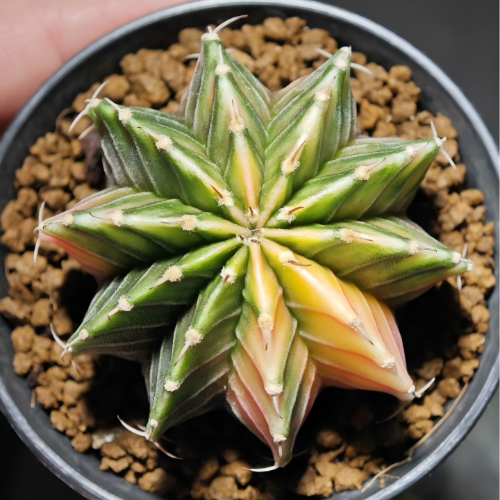
Hardy and adaptable, these cacti need a balance of water retention and drainage—adjustments vary by species.
- 40% particle blend (20% 3–6mm akadama + 20% 1–3mm perlite)
- 30% leaf mold (sifted to remove fine particles)
- 20% garden soil (mixed 1:1 with river sand before use)
- 10% well-rotted chicken manure (fermented for over a year—use strictly in small amounts)
- 50% Inorganic Particles:
- 50% Coarse River Sand (2-4mm) - Enhances drainage.
- 50% Organic Components:
- 30% Mature Leaf Mold - Provides gentle nutrients release.
- 20% Desalted Coco Coir - Helps regulate moisture and prevents compaction.
- Gymnocalycium horstii (cold-tolerant type): Increase particles to 50% and add 10% vermiculite for better water retention.
- Gymnocalycium mihanovichii (moon cactus): Add 15% peat moss and reduce particles to 35%—grafted rootstocks need more organic matter.
- Keep soil slightly moist during the growing season—water from the bottom via tray soaking.
- 2 months before flowering, apply potassium dihydrogen phosphate (diluted 1000x) to promote bud formation.
- Grain size: 1–3mm for seedlings, 3–6mm for mature plants, 5–10mm for old specimens.
- Choose porous materials (e.g., lava rock, pumice) over smooth pebbles—they improve aeration.
- Sterilize new soil by baking at 180°C for 30 minutes.
- Add 5g carbofuran per 5L of soil to prevent root mealybugs.
- High-humidity areas: Increase particles by 10–15% and add 5% activated carbon to absorb excess moisture.
- Dry areas: Reduce coarse sand and add 10% desalted coco coir to improve water retention.
- Water test: After thorough watering, water should drain from the bottom within 30 minutes, and the topsoil should dry within 24 hours.
- Root check: Healthy roots are white and plump at repotting—black tips mean the soil is too waterlogged (increase particle ratio).
- Cactaceae: Systematics and Evolution (Hunt, 2006) – Provides soil chemical analysis for Copiapoa and Astrophytum.
- Succulent Plant Soil Mixes (Griffiths, 2018) – Explores soil differences between Euphorbiaceae and Cactaceae.
- Scenic Hill Farm (USA): Patented mix for Lophophora and Astrophytum – 15% 3/8" pumice + 20% horticultural perlite + 10% compost.
- Plant Culture (Philippines): Gymnocalycium-specific mix – 40% particle blend + 30% organic medium + 30% minerals.
- Deutsche Kakteen-Gesellschaft (German Cactus Society): Recommends gravel ratios of at least 60% for Copiapoa.
By using these tailored mixes and adapting to your plant’s needs, you’ll significantly boost growth rate and resilience. Keep a growing journal to track soil performance—tweaks over time will help you refine the perfect mix for your specific conditions.