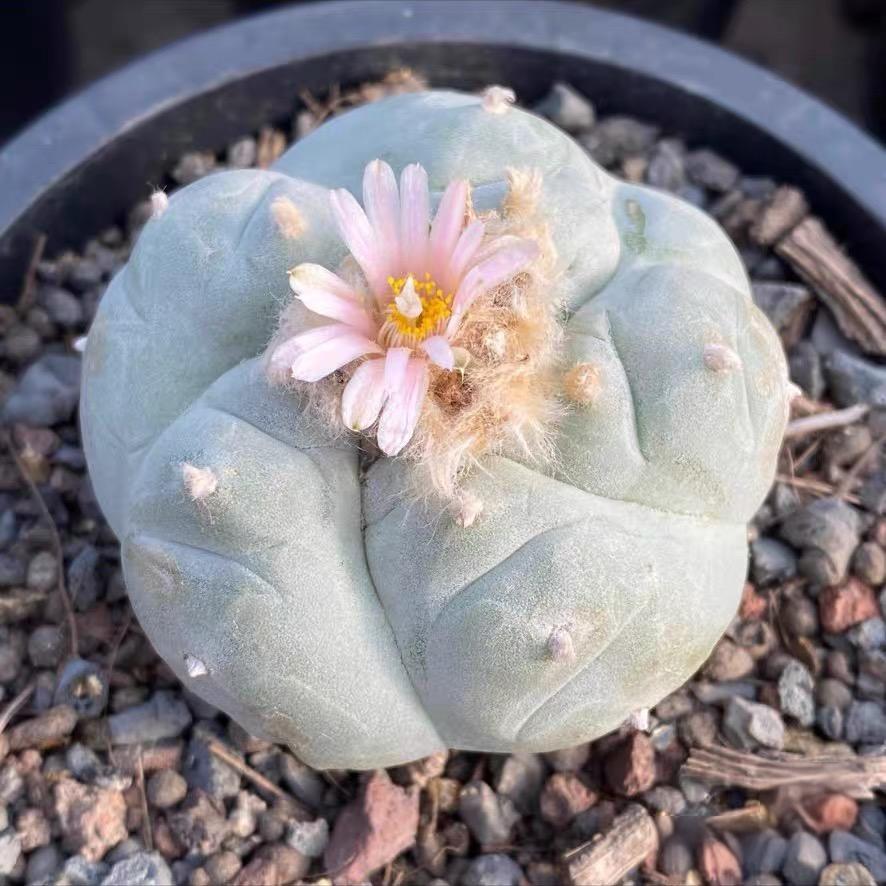
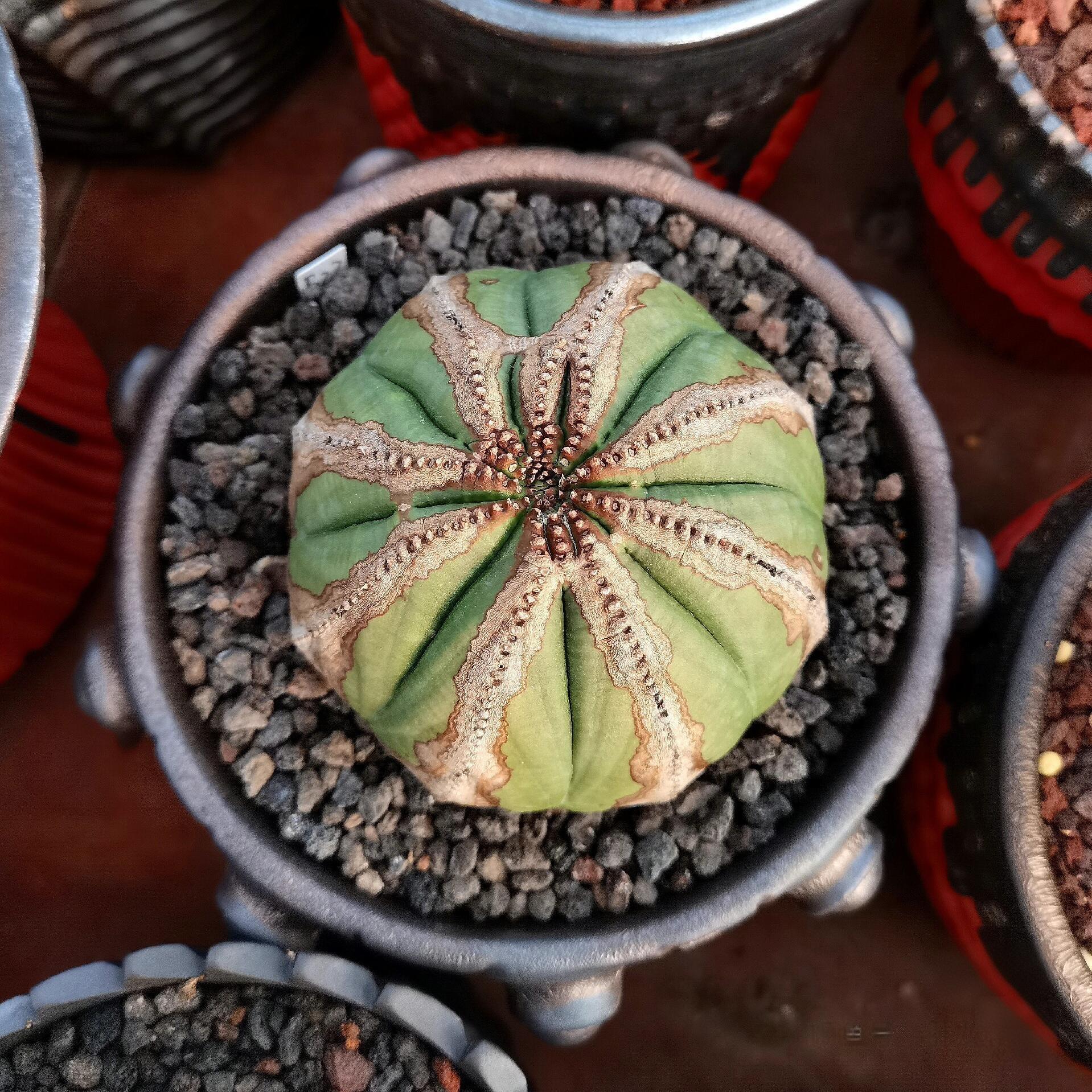
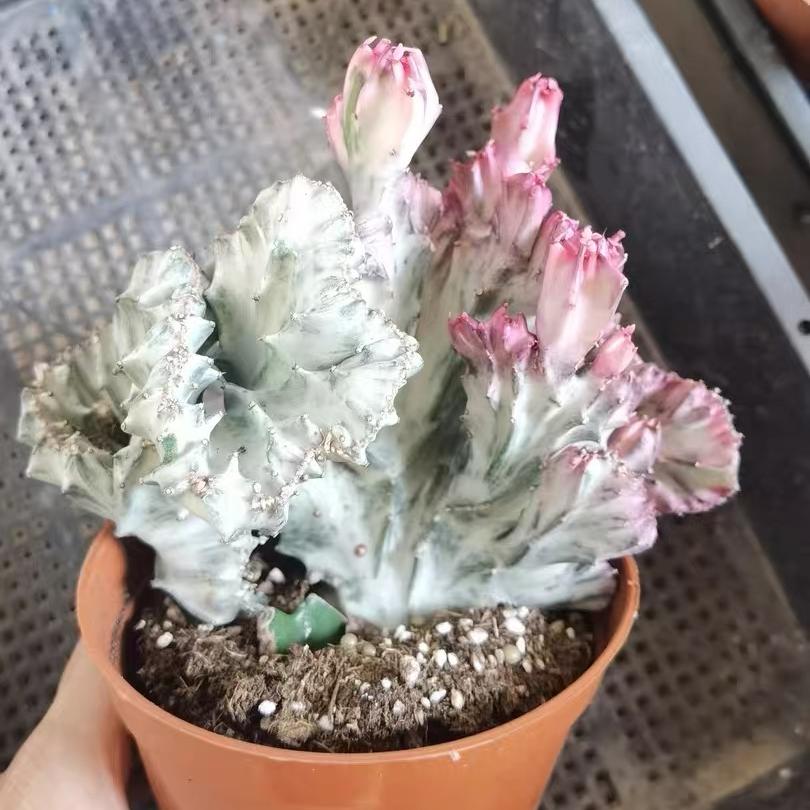
When I first grew Lophophora williamsii peyote seedlings , I couldn’t help but lean in close to the pot, staring—hoping they’d sprout new leaves after a watering like pothos, or shed their "old coats" for fresh ones in the molting season like lithops. But these little guys were stubbornly slow: after half a month, their globes had only fattened by a tiny 0.1 cm. Even their roots, tucked beneath the lava rock, had to be gently brushed away to reveal a few wispy white strands, shy as newly awakened shoots. It wasn’t until I let go of my obsession to "hurry them along" that I realized this slow-growing seedling had long woven the "philosophy of slow living" into every inch of its warm
greenery.
I. Slow Growth: A Natural Remedy for Anxiety
Lophophora williamsii peyote seedlings seem to hold a quiet resolve to take their time. From a tiny 0.3 cm sprout to a plump 1 cm globe, they take half a year or more—their changes so subtle they’re easy to miss: maybe one morning, when sunlight slants in, you notice a faint green edge on the globe, like a new trim stitched onto an old garment; or while watering, catch a glimpse of a thin white root peeking out from the pot’s drainage hole, sneaking toward the outside world.
This slowness strikes right at the heart of modern anxiety. We’re accustomed to instant gratification: takeout arrives in 30 minutes, short videos hook us in 15 seconds, and we even want to hit "fast-forward" on our own growth. But peyote seedlings refuse to cater to this restlessness. With their almost stubborn slowness, they whisper: some beauties can’t be rushed—they need time. Just as the slow living mantra goes, "turning days into poetry" isn’t about chasing time, but waiting with it: waiting for roots to take hold in the soil, waiting for globes to plump with nutrients, waiting for time to leave soft, warm traces on their tiny forms.
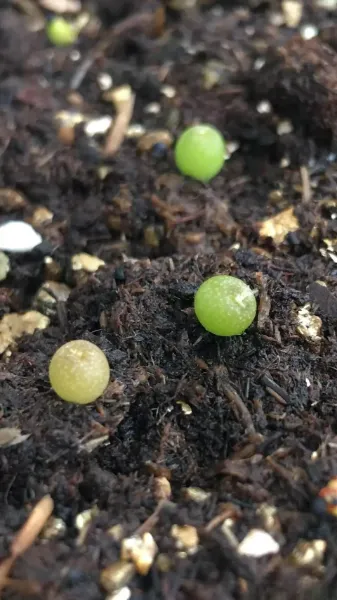
II. Close Observation: Regaining Focus in Slowness
Growing Lophophora williamsii peyote seedlings leaves no room for hasty glances—what they need most is to be "watched with a crouched gaze." Their little "moods" are so delicate they slip by if you’re not paying attention: when the top 1 cm of soil dries out, their globes gently wrinkle, like lips pursed from thirst; after an extra hour of light, their skin takes on a pale gray hue, as if veiled in thin silk; even when the air turns stuffy, they’ll subtly "lean" to one side, a quiet reminder to open the window for fresh air.
At first, I could never remember these little "signals"—until one day, I put down my phone and knelt by the pot, watching in silence for five minutes. I touched the soil with my fingertip and found the surface had turned crisp; leaning in, I caught the faint earthy scent of lava rock; looking closer at the globe, I noticed the tiny fuzz on its top glinting softly in the light. In that moment, it dawned on me: life isn’t too busy—it’s we who are too hurried, too unwilling to spare even a moment to "truly see" a small seedling.
This observation is like a tiny key, unlocking the door to slow living. Slowing down isn’t "wasting time"—it’s reclaiming our ability to feel: just as we notice the small changes in a peyote seedling, we can watch water droplets slide down a coffee cup’s rim, trace clouds as they morph from "sheep" to "whales" outside the window, or listen for the unspoken warmth in a loved one’s tone. These details, scattered by the rush of fast-paced life, are the brightest sparks of daily living—much like the peyote’s 0.1 cm growth: seemingly insignificant, yet holding the raw, beating power of life itself.
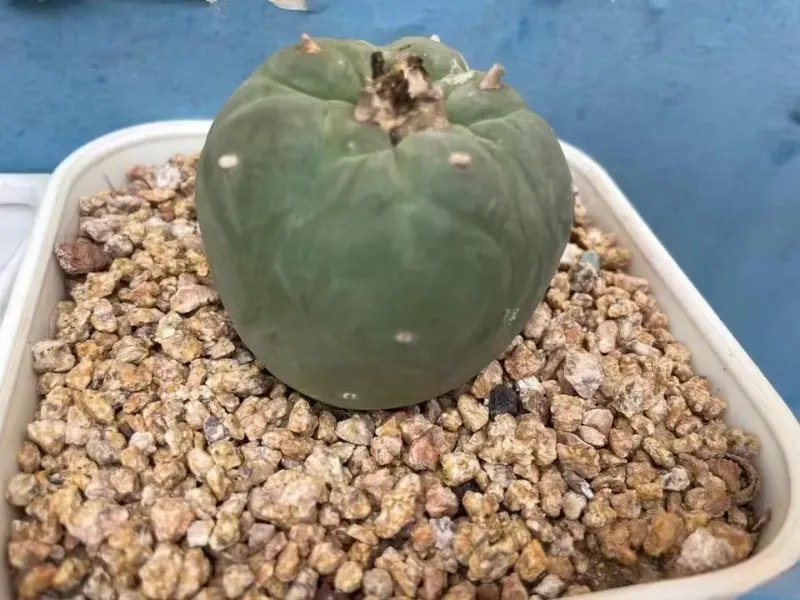
III. Working with Nature: The Wisdom of Accepting Imperfection
Lophophora williamsii peyote seedlings never "please" our expectations—they grow only at their own pace. When summer temperatures top 30°C (86°F), they quietly "pause," slowing their growth; when winter chills drop below 15°C (59°F), they wrap themselves tight, entering dormancy. Even with the finest peat soil and softest filtered light, they won’t 打乱 their rhythm just because we "want them to grow faster."
At first, I grew anxious about their "lack of growth," even digging out succulent fertilizer to "give them a boost—until I saw my friend’s seedling: its roots burned black from hasty fertilizing, its globe shriveled like a tiny walnut. In that moment, I understood: for some things, "working with nature" is better than "forcing control." The peyote’s slowness isn’t "laziness"—it’s saving energy for future growth.
This willingness to "go with the flow" holds simple life wisdom. We chase "perfection": work must be flawless, life must be neatly ordered, and even our sorrows must be "brushed aside quickly." But life is rarely "just right": a planned trip gets canceled by bad weather, a project we poured our heart into fails to succeed, and there are days when even our mood feels "heavy." Instead of fighting these moments, we can accept life’s imperfections—just as we accept the peyote’s slowness. Slow down, wait a little, and like the seedling’s dormant period, what seems "still" is actually roots growing quietly underground, ready to burst with new green when spring comes.
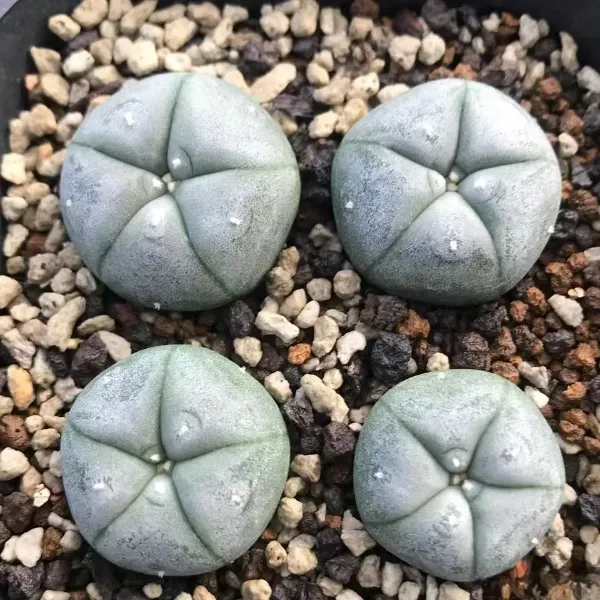
IV. Spiritual and Beautiful: Finding Life’s Poetry in Slowness
Now, I’ve raised my peyote seedling for eight months, and it’s only grown to 0.8 cm. It’s not as "big" as I imagined, but its green is rich and solid, like jade softened by sunlight; its roots, once a few thin threads, have grown into a "small net" winding through the soil, clinging tightly to every piece of lava rock. Before watering each time, I gently touch its globe—its warm, smooth surface carries a faint cool moisture, like holding a tiny, living thing with a heartbeat.
Only then did I truly understand "spiritual and beautiful": its "spirit" lies in the resilience of its slow growth—unhurried, yet never stopping; its "beauty" lies in how it teaches us, in a fast-paced world, to "feel deeply again"—not chasing time, but walking with it.
Growing a peyote seedling is like a gentle "slow living practice." It won’t give you "instant rewards"—water it today, and you won’t see it grow tomorrow—but in its daily companionship, it teaches you patience in waiting, strength in focus, and peace in accepting imperfection.
Slow living is never "doing nothing"—it’s "living with intention": not giving up on growth, but giving it time; not stopping effort, but leaving space for life to breathe. Like the peyote seedling, grow slowly, bloom gently, and become who you’re meant to be. This is perhaps the best kind of life: not "racing to the finish," but "savoring every step," making each moment rich and meaningful.
Maybe that’s the peyote seedling’s greatest gift: it’s not just a plant on the windowsill, but a small mirror reflecting the restlessness in our hearts; a gentle teacher showing us how to slow down, live well, and love deeply in a fast world. After all, the best moments in life are never "run through"—they’re "tasted with a smile"—just like the peyote’s extremely slow growth, every inch holding the poetry of life.