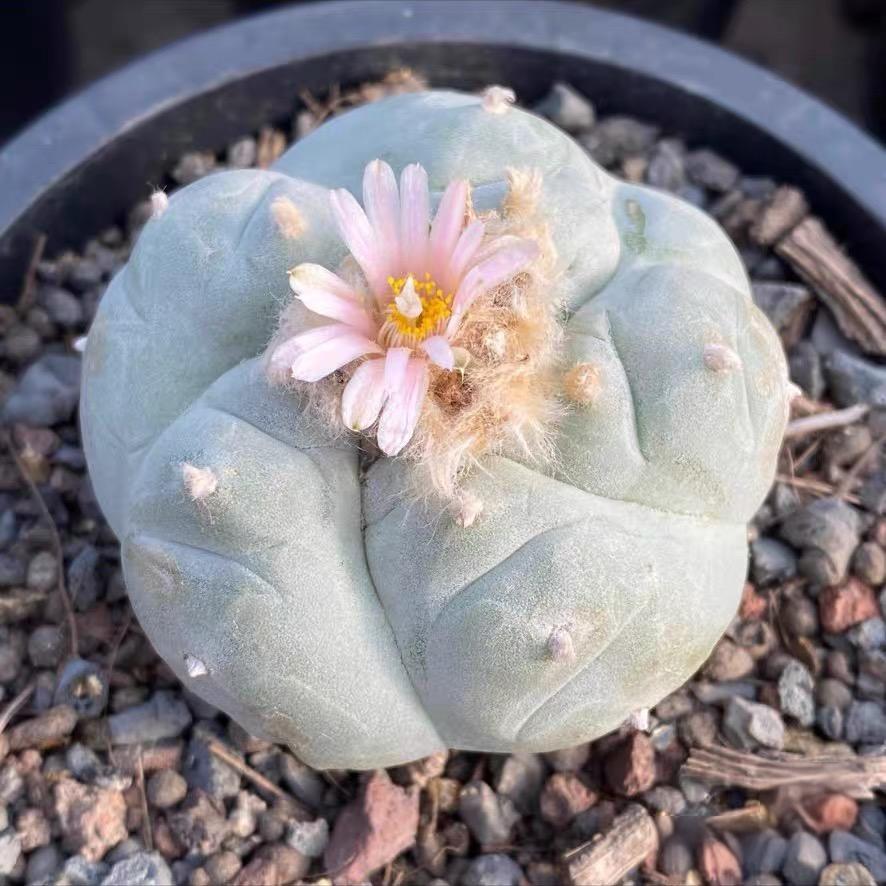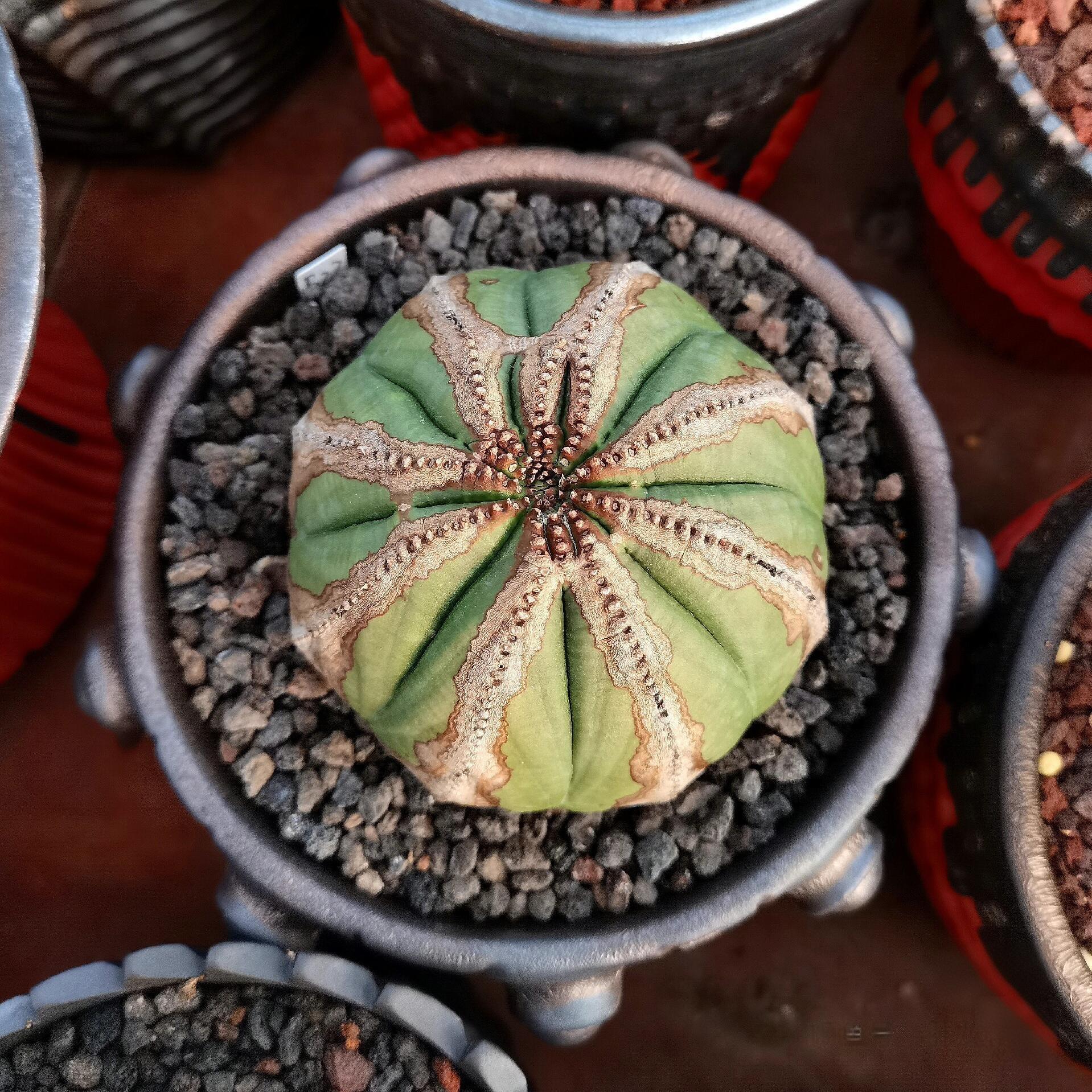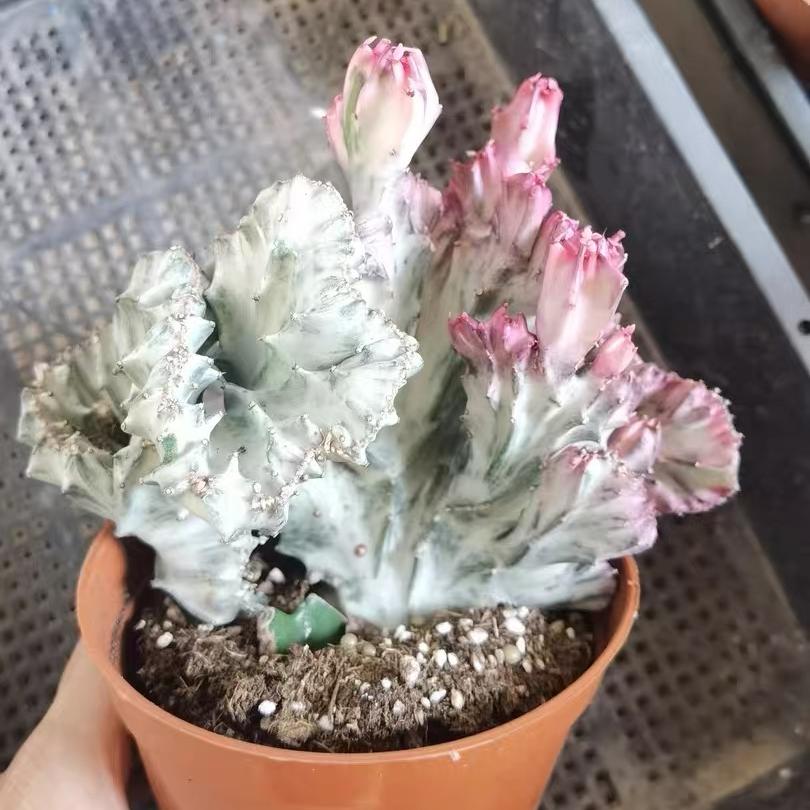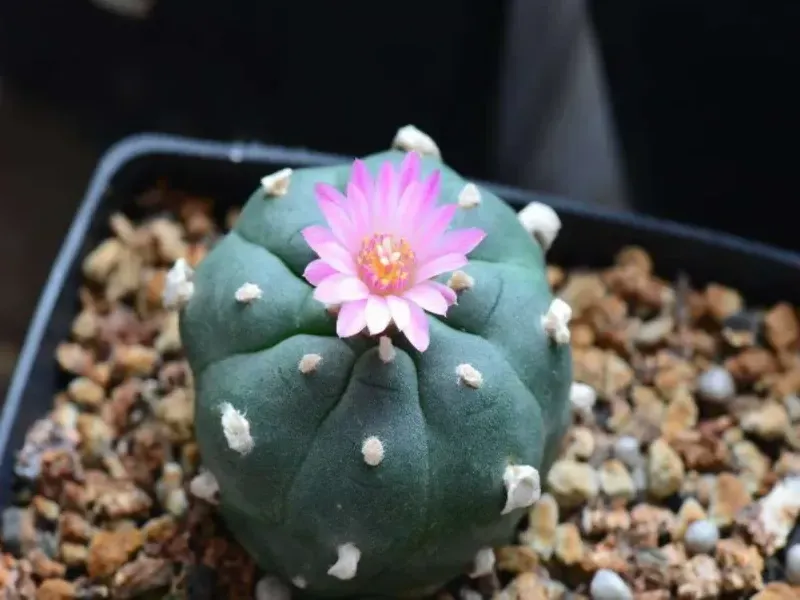
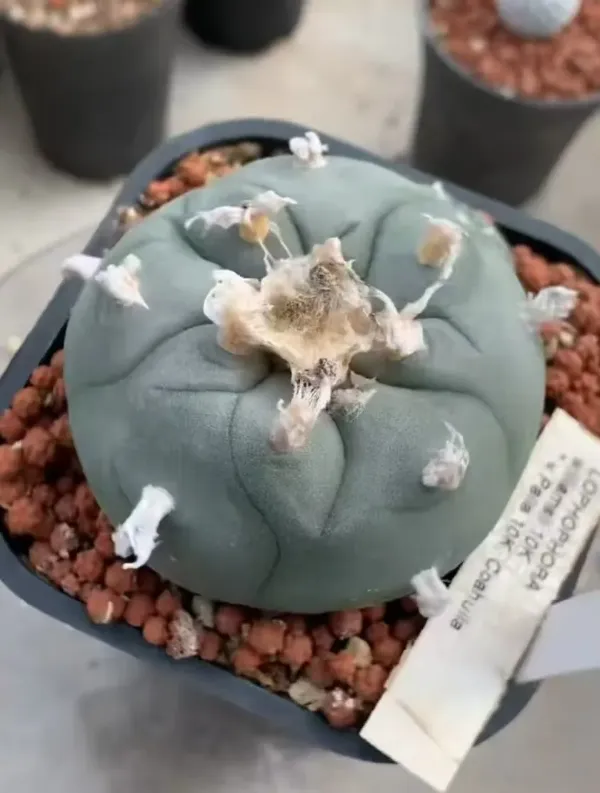
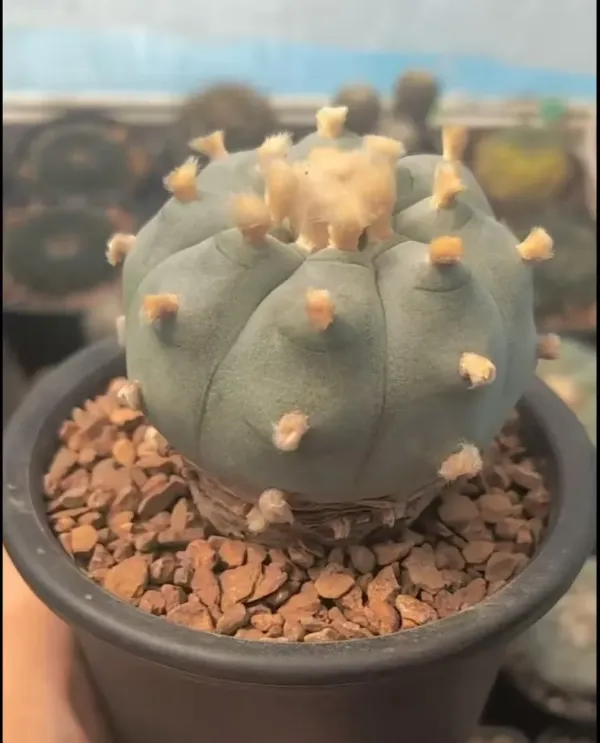
Lophophora williamsii peyote seedlings (commonly known as Peyote) boasts a "simple, natural beauty"—with its rounded globular shape, pale green to grayish-green epidermis, and fine fuzz, it looks like a "natural work of art" picked straight from the wild. Yet many growers find it "pleasing but not striking enough" when caring for it. In fact, a little effort on pot pairing, landscape design, and detailed decoration can double its visual appeal: it retains its original charm while incorporating personal creativity, transforming from a "mere plant to care for" into an eye-catching focal point on your desk, windowsill, or succulent corner. Whether you’re a beginner just starting with Lophophora williamsii or an experienced grower looking to refresh your mature plants’ style, the following methods will help you easily achieve a "beauty upgrade."
I.Single-Pot Cultivation: Amplify the Globule’s Natural Beauty with Pots & Topdressing
- Top 3 Recommended Materials:
- Terracotta pots: With their inherent granular texture and matte finish, they perfectly complement the rocky feel of Lophophora williamsii’s native habitat. They also offer excellent breathability, making root care hassle-free.
- Unglazed ceramic pots: In clean shades (e.g., off-white, light gray, light brown), they act like a "blank canvas," making the globule’s pale green hue look even fresher.
- Concrete pots: With a touch of industrial-style coolness, they create a charming contrast with the plant’s "natural vibe" when placed in a modern minimalist home, adding a unique sense of style.
- Size & Shape: Don’t Guess: Always opt for "shallow, low pots"! The pot’s height should be roughly 1–1.5 times the globule’s diameter (e.g., a 1.5cm globule needs a 1.5–2.2cm tall pot), and the pot’s diameter should be 2–3cm larger than the globule. This ensures the globule sits securely without feeling cramped, and prevents it from looking "shrunken and lifeless" in an overly deep pot. For shape:
- Round pots: Echo the globule’s rounded form, creating a harmonious look.
- Square pots: Add a neat contrast between "round and square," ideal for those who prefer a more unique style.
- Common Mistakes to Avoid:
- Steer clear of pots in overly bright colors (e.g., bright red, neon yellow)—they clash completely with the plant’s subtle temperament.
- Avoid deep pots: They make it hard to check soil moisture and can leave the globule looking cramped, even hindering growth over time.
- Natural Style: Recreate Wild Charm: Use light brown lava rock or maifan stone (3–5mm granules). Spread evenly over the soil surface to a thickness of 0.5–1cm. These granules have natural, varied textures and colors that closely match the sandy soil of Lophophora williamsii’s native land. Once applied, it feels like bringing a "small patch of rocky hillside" into your home—place the globule in the center, and the wild vibe is instantly amplified.
- Fresh Style: Perfect for Small Windowsills: Swap for white perlite or white akadama soil. The white granules create a striking contrast with the pale green globule, delivering an immediate fresh look. Place it on a sunny windowsill or desk, paired with light-colored curtains or tablecloths—this instantly boosts the "calming vibe" of the entire corner.
- Detailed Style: Add Subtle Contrast: If you want to avoid monotony, mix 2–3 darker granules (e.g., black lava rock, dark brown akadama) into your main topdressing (e.g., lava rock) and arrange them in a circle around the globule’s base. Avoid overdoing it (it will look cluttered)—a small amount of accent adds "focus" to the topdressing and enriches the details.
II. Combined Landscaping: Create a "Mini Ecosystem" for More Storytelling Appeal
- Natural Grassland Style: Step into the Wild:
- Lophophora williamsii (1–2 plants, 1–1.5cm diameter, placed in the center as the "star").
- Lithops (2–3 plants, in light gray-green or light brown to match the Lophophora’s hue, arranged around it).
- Sedum hispanicum (small amount, scattered around the edges to trail naturally).
- Rocky Slope Style: Highlight Layers:
- Lophophora williamsii peyote seedlings (1 plant, planted on a slightly raised soil mound).
- Conophytum (1–2 plants, in dark green or magenta to create color contrast with the Lophophora).
- Small pieces of green dragon stone (2–3 pieces, placed randomly on the soil surface).
- Minimalist Fresh Style: Ideal for Small Coffee Tables:
- Lophophora williamsii peyote seedlings (1 plant, placed in the center).
- Haworthia cooperi (1 plant, placed to the side).
- White topdressing (covering the entire pot).
- Top 2 Recommended Containers:
- Shallow rectangular pots (20–30cm long, 10–15cm wide, 5–8cm tall): Most practical for building mounds and layers.
- Unglazed pots with rock-like texture: The pot itself resembles a piece of stone—once planted, it creates a scene without extra decoration, ideal for a more natural style.
- 3 Steps to Build "Elevated Layers":
III. Detailed Decoration: Small Tweaks for "Polished Appeal"—Avoid "Over-Decoration"
- Side Lighting Works Best: Morning sunlight (before 9 AM) from the left, or afternoon sunlight (after 4 PM) from the right. Side light creates soft light-and-shadow contrast on the globule’s surface, making its ridges and fuzz clearly visible. It’s gentler than midday direct sun and won’t scorch the plant. If natural light is insufficient, use an LED succulent grow light: position it at a 45° angle above the plant, 20–30cm away, and keep it on for 6 hours a day—this mimics natural side light effectively.
- Place According to Purpose:
- Single-pot plants: Best placed at "eye level or slightly lower" (e.g., desks, low windowsills). This lets you see the globule’s details when you look down, avoiding the frustration of missing details on a high shelf.
- Combined landscapes: Can be placed higher (e.g., middle bookshelf shelves, display cabinets). Viewing from above reveals the landscape’s layers, amplifying the "mini ecosystem" feel. Avoid placing it in overly high or low corners—either you’ll miss the details, or it will fade into the background.
- Growing Season (Spring/Autumn): Highlight Vitality: The globule is plump and may grow new fine fuzz. Use light-colored topdressing (e.g., white perlite) and pair with fresh-style pots to boost its lively look. If new fuzz appears, avoid covering it with topdressing—let these details shine.
- Dormant Season (Summer/Winter): Highlight Calmness: In extreme temperatures, Lophophora williamsii peyote seedlings goes dormant, and its epidermis may turn gray. Swap to dark brown lava rock topdressing and pair with terracotta pots to emphasize its "natural, calm charm." If the dormant landscape feels too plain, add 1–2 dry leaves (e.g., eucalyptus) around the pot edge to mimic seasonal changes in its native habitat—natural and non-intrusive to growth.
IV. Pitfall Guide: 3 "Don’ts" to Keep Beauty & Health
- Don’t Over-Decorate: Avoid cramming the pot with mini decorations (e.g., cartoon figurines, colorful pebbles). This clutters the landscape, blocks light, and disrupts airflow. Limit decorations to 2 types, and ensure they match the Lophophora’s style—e.g., small rocks for natural style, tiny seashells for fresh style.
- Don’t Sacrifice Growth for Looks: All pairings must prioritize "plant health"—e.g., don’t mix moisture-loving Senecio rowleyanus (string of pearls) with Lophophora williamsii; the pearls will rot, and the Lophophora may suffer too. Don’t pile soil too high for layers—exposed roots dry out easily.
- Don’t Change Styles Too Often: Switching pots one day, topdressing the next, and rearranging the landscape the day after stresses the plant. Lophophora williamsii needs time to adapt; frequent changes slow growth or even stop it. Aim to adjust once every 1–2 years, based on growth (e.g., a larger pot for a bigger globule, seasonal topdressing swaps)—this balances freshness and healthy growth.
Ultimately, enhancing Lophophora williamsii’s aesthetics isn’t about "transforming it"—it’s about "understanding it": understanding its natural charm, its growth needs, and using suitable pairings to amplify its beauty. Whether it’s a simple, polished single pot or a layered combined landscape, sticking to the 3 principles of "compatibility, simplicity, and growth-first" will turn it into the most "vibrant" landscape in your home. When you water or observe it, you’ll feel the calm of plant growth; when you glance up and see it, you’ll be reminded of the simple, resilient natural beauty of the wild.