SEED
difficulty:★★★★★ Growth rate:★
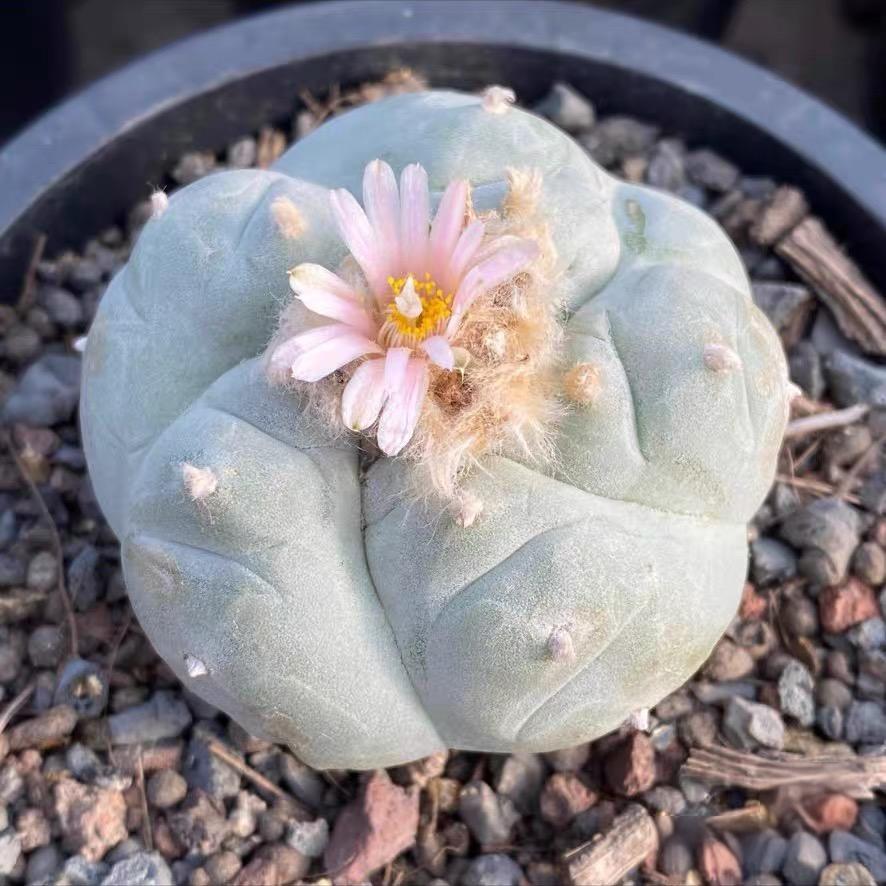
Watching a cactus grow from seed to maturity is a joyfully long journey—often taking a decade, and for some species, even 30 years. Yet, it’s an incredibly rewarding process.
Cactus seed propagation falls into two categories: indoor and outdoor. Indoor propagation is typically reserved for rare or valuable varieties, which require precise control over lighting and humidity. For most cactus seeds, the optimal germination conditions are:
- Temperature: 70–85°F (21–29°C)
- Humidity: 50–70%
Outdoor propagation is more straightforward. Similar to sowing vegetable seeds, you can scatter cactus seeds over a large area. However, it’s critical to ensure your local climate aligns with cactus needs: they thrive in desert-like environments, preferring well-draining, nutrient-poor soil.
Compared to other propagation methods (like cuttings or offsets), seed-grown cacti demand regular care—including pest control and protection from wildlife that might damage young plants.
Check out this video below that I have made for my You Tube channel on How to grow cacti from seed:
grafting Cacti
difficulty:★★★ Growth rate:★★★★★
This is the fastest propagation method, widely adopted by cactus merchants and gardens—after all, efficiency is money. In most cases, grafted cacti can be harvested within 2–3 years. They are then allowed to root before being sold or kept for personal collection. This explains why an increasing number of grafted cacti have flooded the market in recent years.
Many cactus enthusiasts are put off by this method, largely due to concerns about underdeveloped root systems and subpar appearance. However, these issues typically improve significantly after the grafted cacti are planted in soil (known as "landing") and grown for about a year, resulting in healthy roots and a polished look.
Grafting is not a new technique; both Western and Eastern cultures have practiced it for centuries, though historically it was primarily used for fruits and crops. Today’s techniques allow grafting for nearly all types of cacti, but there are key steps to follow:
First, the cactus seedling to be grafted needs about six months of growth from seed. Then, its top is cut off, and it must be aligned precisely with the "vascular bundles" of the rootstock cactus for the graft to succeed.
Grafting isn’t foolproof—even the most experienced growers face occasional failures. As with any skill, practice makes perfect. It’s advisable to start with affordable cacti, then gradually work your way up to more expensive varieties and increase the quantity as you gain confidence.
Environmental conditions also matter: grafting should never be done on rainy days or in winter, as failure rates soar. Most grafting is done in summer. Additionally, after grafting, protect the plant from insect bites and apply a fungicide like carbendazim to prevent bacterial infections.
Cactus rootstocks suitable for grafting:
-
Scientific name: Cereus repandus (L.) Mill. A columnar rootstock. It is relatively cold-hardy, vigorous in growth, and has a large pith, making it suitable for grafting large scions.
-
Scientific name: Harrisia pomanensisA columnar rootstock. It is relatively cold-hardy, with a well-developed root system, strong sustained growth, and low tendency to lignify, making it suitable for grafting new varieties.
-
Scientific name: Opuntia ficus-indica (L.) Mill. A pad-shaped (prickly pear) rootstock. It is cold-hardy and robust, suitable for grafting epiphytic cacti such as Schlumbergera (Christmas cactus), Epiphyllum, and Rhipsalidopsis (Easter cactus).
-
Scientific name: Echinopsis tubiflora A spherical rootstock. It is cold-hardy, vigorous, and easy to propagate, suitable for grafting hard-bodied cactus species such as Astrophytum and Ariocarpus.
-
Scientific name: Pereskia aculeata Mill.A shrubby rootstock. It is relatively cold-hardy, easy to propagate, and vigorous in growth, suitable for grafting Schlumbergera and small precious cactus species.
-
Scientific name: Echinopsis spachiana
- Scientific name: Hylocereus undatus (Haw.) Britt. et Rose Also known as "triangular column" or "three-angled arrow." It is the most widely used cactus rootstock both domestically and internationally, suitable for grafting species such as Gymnocalycium, Ferocactus, as well as variegated and crested varieties.Below is a grafted YouTube video:
-
LEAF PROPAGATION:Only suitable for some cacti
difficulty:★★★ Growth rate:★★★★★
It’s low-effort, highly rewarding, and perfect for beginners. Unlike grafting or seed propagation, it requires minimal tools, and watching tiny new growth emerge from a single leaf feels like magic. It works best for cacti and succulents with plump, fleshy leaves or segments that store enough moisture to sustain new roots and growth.Cactus Species That Thrive with Leaf/Segment Propagation
While not all cacti can be propagated this way (e.g., large columnar cacti like Cereus or spherical types like Echinopsis often rely on offsets instead), these varieties excel:- Christmas Cactus (Schlumbergera truncata): Its flat, segmented stems (often mistaken for leaves) root readily. Simply twist off a healthy 2–3 segment piece.
- Bunny Ear Cactus (Opuntia microdasys): The paddle-like segments (cladodes) detach easily. A single pad will root and sprout new growth within weeks.
- Moon Cactus (Gymnocalycium mihanovichii variegata): Though often grafted, its small, rounded offsets (mini segments) can be pulled off and rooted if handled gently.
- Rattail Cactus (Aporocactus flagelliformis): Long, trailing stem segments root quickly when placed in well-draining soil.
- Prickly Pear (Opuntia ficus-indica): Thick, fleshy pads (similar to Bunny Ear Cactus) are ideal—even a small cut segment will regenerate.
-
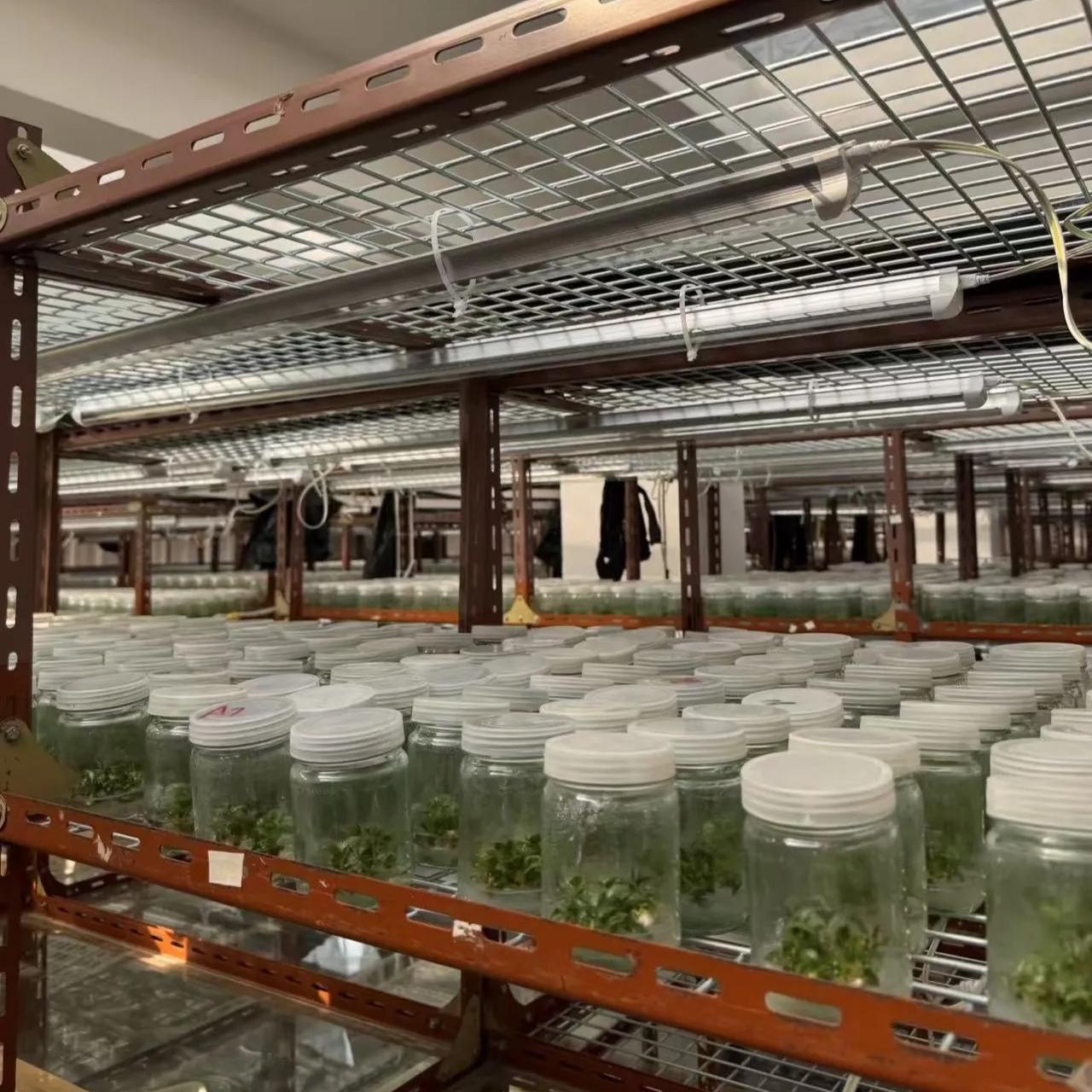
Tissue culture:This propagation method is suitable for agave and Crassulaceae plants.
- difficulty:★★★★★ Growth rate:★★★★★
-
Tissue Culture for Agaves & Crassulaceae: Key ConsiderationsTissue culture offers an effective propagation method for agaves and Crassulaceae plants, but requires careful execution.Method Overview:
- Select healthy explants (shoot tips/meristems)
- Sterilize with sodium hypochlorite/ethanol
- Culture on nutrient medium with growth regulators
- Acclimatize plantlets gradually to external conditions
Primary Risks:- Contamination (bacterial/fungal/viral)
- Medium composition imbalances
- Environmental stress during acclimatization
- Vitrification (abnormal tissue development)