1.Creating an Ideal Growing Environment for Seedlings
Before planting, the core is to establish a sterile, well-draining environment—this effectively prevents the "number one killer" of seedlings (rot issues) and lays a solid foundation for their healthy growth. Below are key operational points:
| Category | Key Points |
|---|---|
| Soil Mix | 1. Use a gritty, peat-free blend: 75% small-grade inorganic substrates (1–3mm akadama, perlite, or pumice) mixed with 35% organic matter (coconut coir is preferred; avoid peat, as it retains excessive moisture).
|
| Container Selection | 1. Choose shallow, wide pots with multiple drainage holes. Terra-cotta pots are ideal—they are breathable, speed up soil drying, and reduce the risk of overwatering.
|
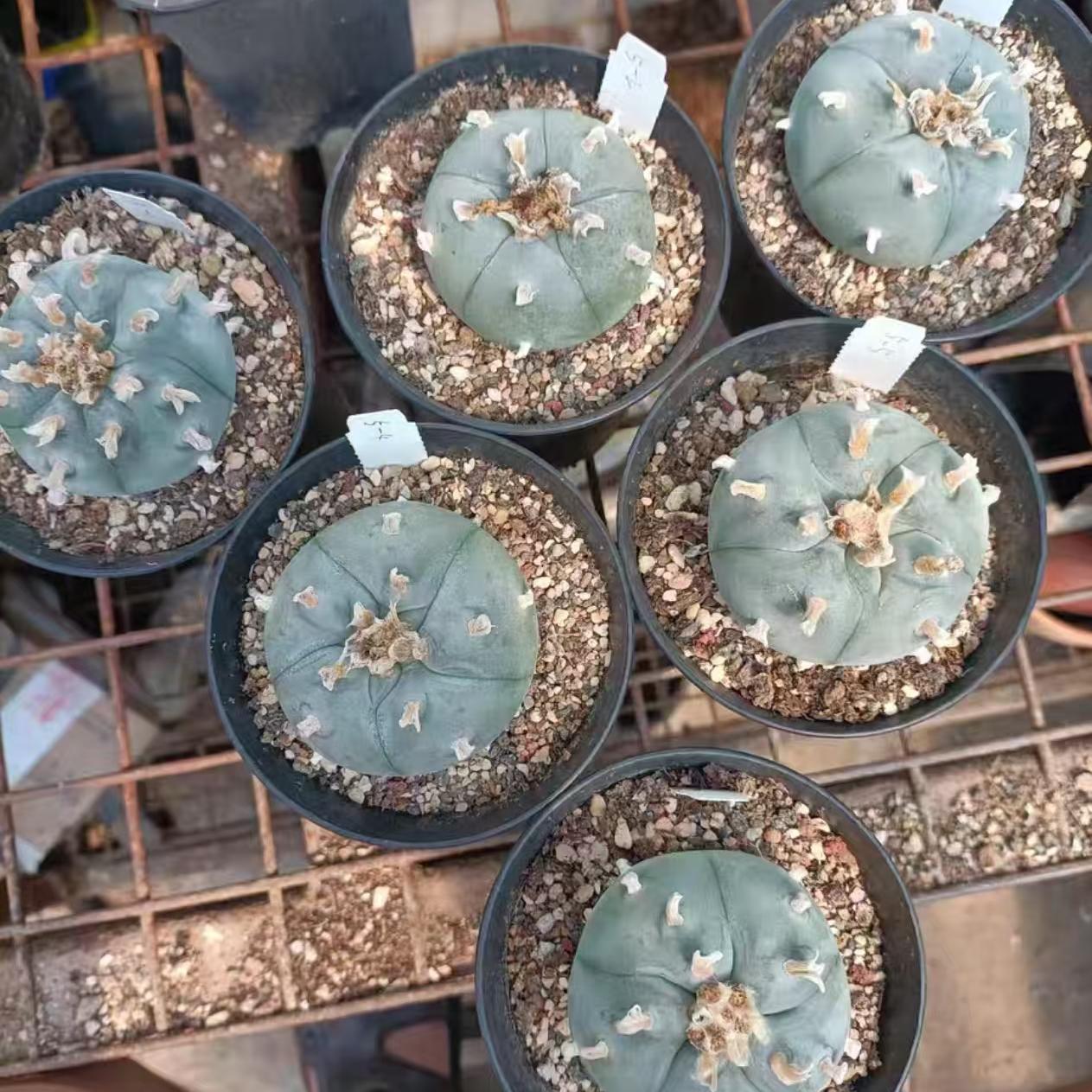
| Planting Steps | 1. Gently place the seedling in the center of the pot. Fill the surrounding area with the prepared soil and lightly press to secure the seedling.
2. Ensure the top 10% of the seling (the "growing point") remains above the soil surface; burying it will cause rot. |
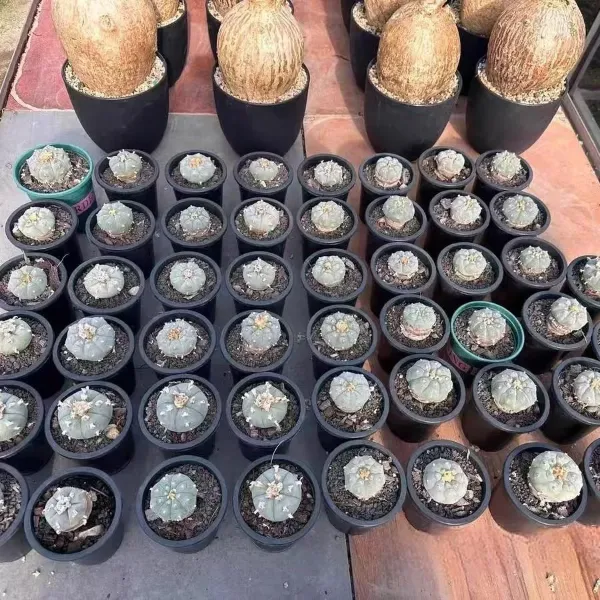
2.Light: Ample Diffused Light, Avoid Direct Sunlight
Healthy growth of Lophophora williamsii peyote seedlings depends on light, but their delicate bodies cannot tolerate direct sunlight and are easily scorched.
Ideal Lighting Conditions:Place seedlings in a bright, diffused light environment (such as a windowsill with a sheer curtain) or supplement with an LED grow light. The grow light should be suspended 12–18 inches (approximately 35–45 cm) above the seedlings, with a daily light duration of 13–14 hours.
Notes:Never expose seedlings to intense midday sun (10 AM–4 PM). If reddish-brown spots appear on the cactus body, this is a sign of sunburn—immediately move the plant to a shaded area to alleviate damage.
Ideal Lighting Conditions:Place seedlings in a bright, diffused light environment (such as a windowsill with a sheer curtain) or supplement with an LED grow light. The grow light should be suspended 12–18 inches (approximately 35–45 cm) above the seedlings, with a daily light duration of 13–14 hours.
Notes:Never expose seedlings to intense midday sun (10 AM–4 PM). If reddish-brown spots appear on the cactus body, this is a sign of sunburn—immediately move the plant to a shaded area to alleviate damage.
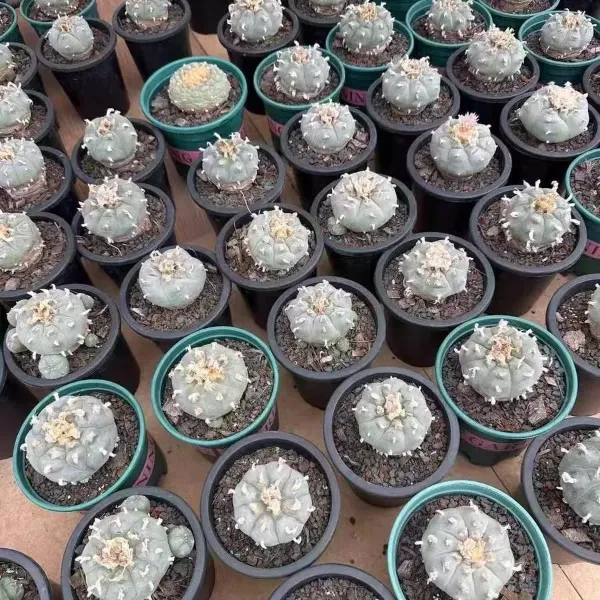
3.Watering: Less Is More
Overwatering is the most common mistake for new growers. These cacti are adapted to arid climates, and their roots detest soggy soil.
-
Frequency: Water only when the soil is completely dry. To check, insert your finger 1 inch into the soil—if it’s dry, it’s time to water. In summer (growing season), this might be every 2–3 weeks; in winter (dormancy), reduce to once a month or less.
-
Watering Method: Pour water slowly around the base of the seedling, avoiding the growing point. Use room-temperature, filtered water—tap water with chlorine can harm delicate roots. Let excess water drain fully from the bottom of the pot (never let the pot sit in a saucer of standing water).
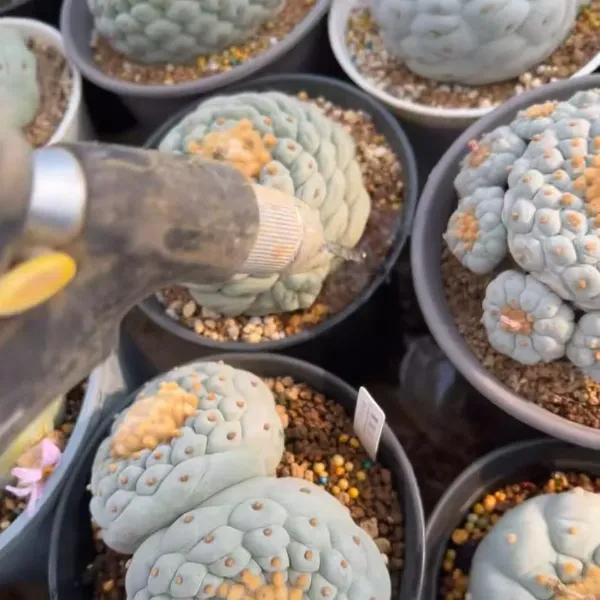
4.Temperature & Humidity: Mimic the Native Desert Environment
Lophophora williamsii peyoteis native to the Chihuahuan Desert, so it thrives in warm, dry air.
-
Temperature: Maintain daytime temperatures between 24–30°C (75–86°F) and nighttime temperatures no lower than 15°C (59°F). Avoid direct cold drafts (e.g., near windows in winter) or sudden temperature drops—these can stress the seedlings.
-
Humidity: Aim for 30–40% humidity. If you live in an area with extremely high humidity (over 60%), place a small fan near the pots to improve air circulation—stagnant, moist air easily leads to mold and rot.
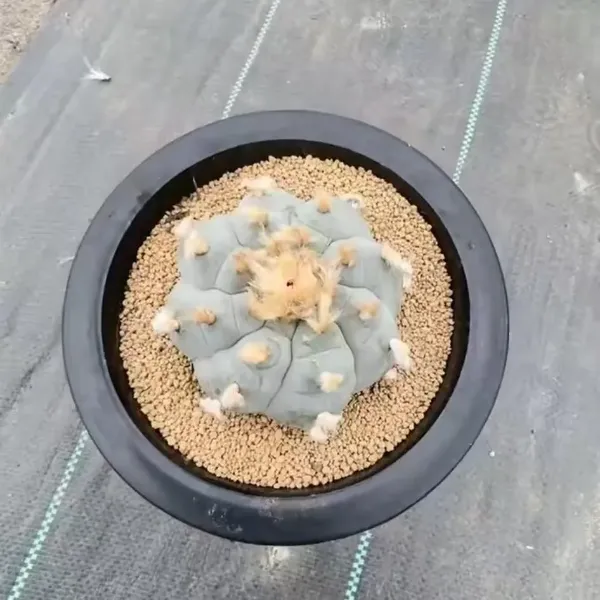
5.Fertilization: Dilute and Sparse (Growth Season Only)
Seedlings have minimal fertilizer needs—excess nutrients can burn their roots.
- Timing: Fertilize only during the growing season (spring to early fall). Stop entirely when the cactus enters dormancy in winter.
- Fertilizer Selection: Use a diluted, balanced cactus-specific fertilizer (e.g., 10-10-10), mixed to half the strength recommended on the package. Apply every 4–6 weeks, and water the seedling first to protect roots from irritation.
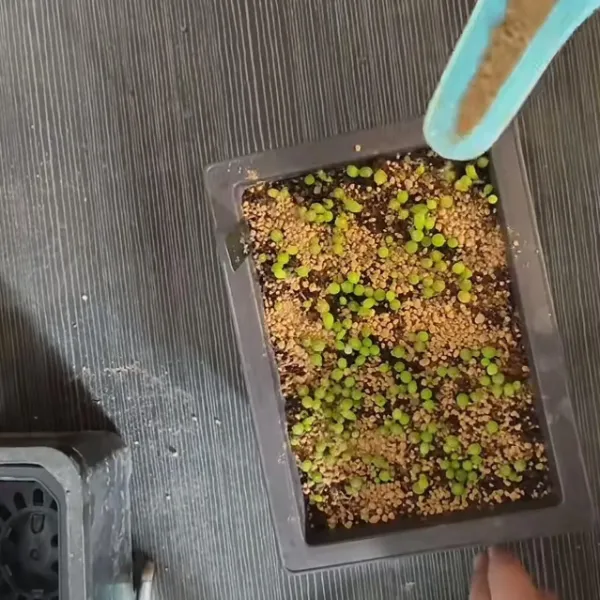
6.Repotting: Give It Room to Grow
When Lophophora williamsiipeyote peyote seedlings mature (usually after 1–2 years), their roots will fill the pot—this is when repotting is needed.
- Timing: Repot in spring, just as the growing season begins.
- Steps: Gently tap the pot to loosen the soil and remove the seedling. Shake off old soil from the roots (trim any soft, brown roots with sterilized scissors). Plant it in a slightly larger new pot, fill with fresh soil, and follow the same planting method as the initial sowing.
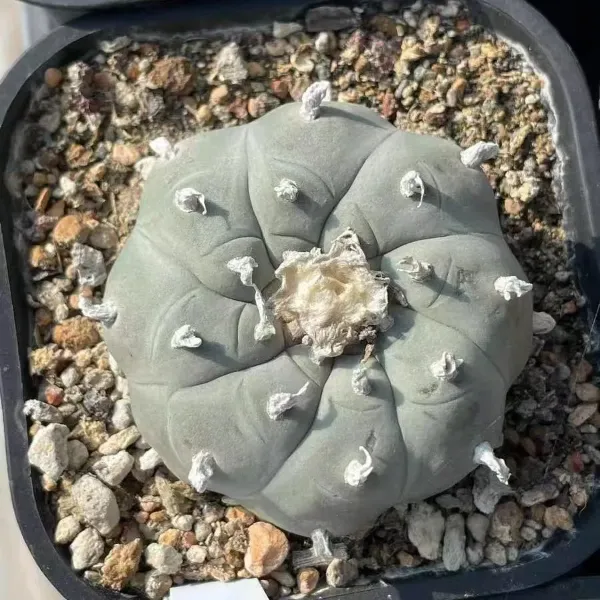
7.inal Note: Patience Lets Beauty Unfold Over Time
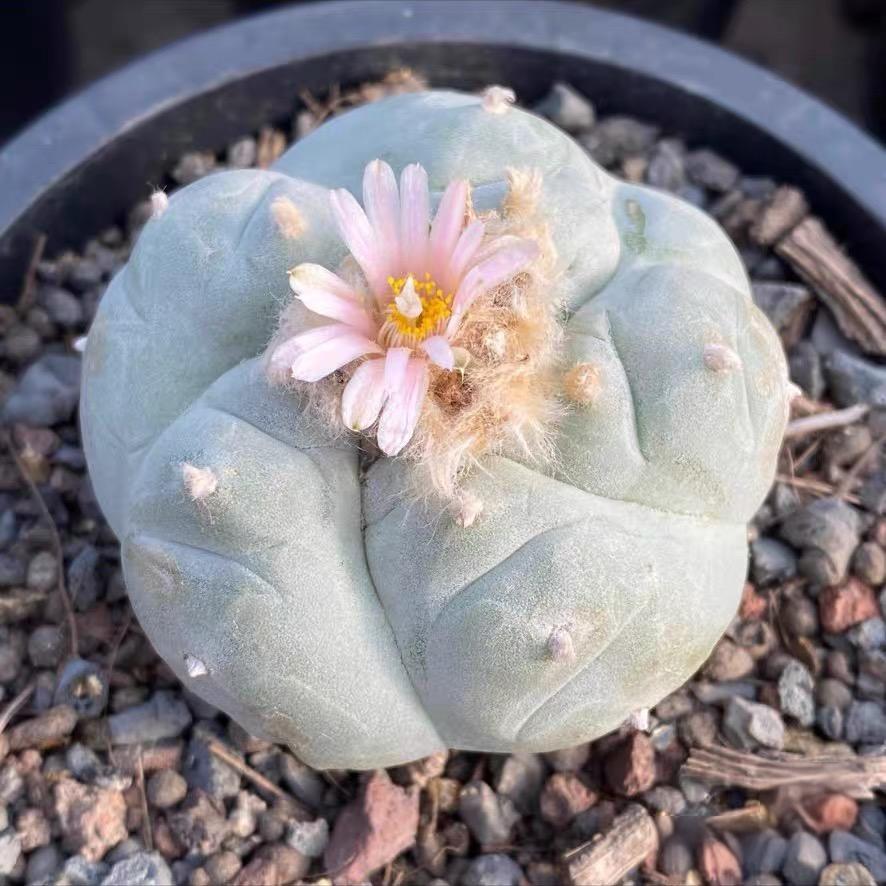
Lophophora williamsii peyote grows at a gentle pace (maturity often takes 3–5 years), but with consistent care, your seedlings will gradually develop into plump, smooth forms with vibrant green hues—truly breathtaking beauty. Resist the urge to “intervene” prematurely (such as overwatering at the first sign of wilting). Trust in this cactus’s desert-hardened resilience, and let it grow at its natural rhythm.
Follow these steps, and you’ll not only help your Lophophora williamsii peyote seedlings survive—you’ll nurture them to thrive, becoming the healthy, striking cacti they’re meant to be.