When growing Lophophora williamsii (peyote)seedlings, many people wonder, “Is slow growth a problem?” In fact, slow growth is a natural trait of peyote seedlings, with distinct growth rates across different stages. Clarifying the normal growth range first and tracking progress with a log can help you avoid unnecessary anxiety and spot growth abnormalities early, making care more targeted.
I. Normal Growth Rate of Peyote Seedlings: Don’t Compare with “Fast-Growing Succulents”
The growth rate of peyote seedlings (especially those 0.3–1cm in diameter) is greatly influenced by variety, temperature, light, and soil aeration. However, they generally follow a “slow but steady” pattern, with the following normal growth ranges:
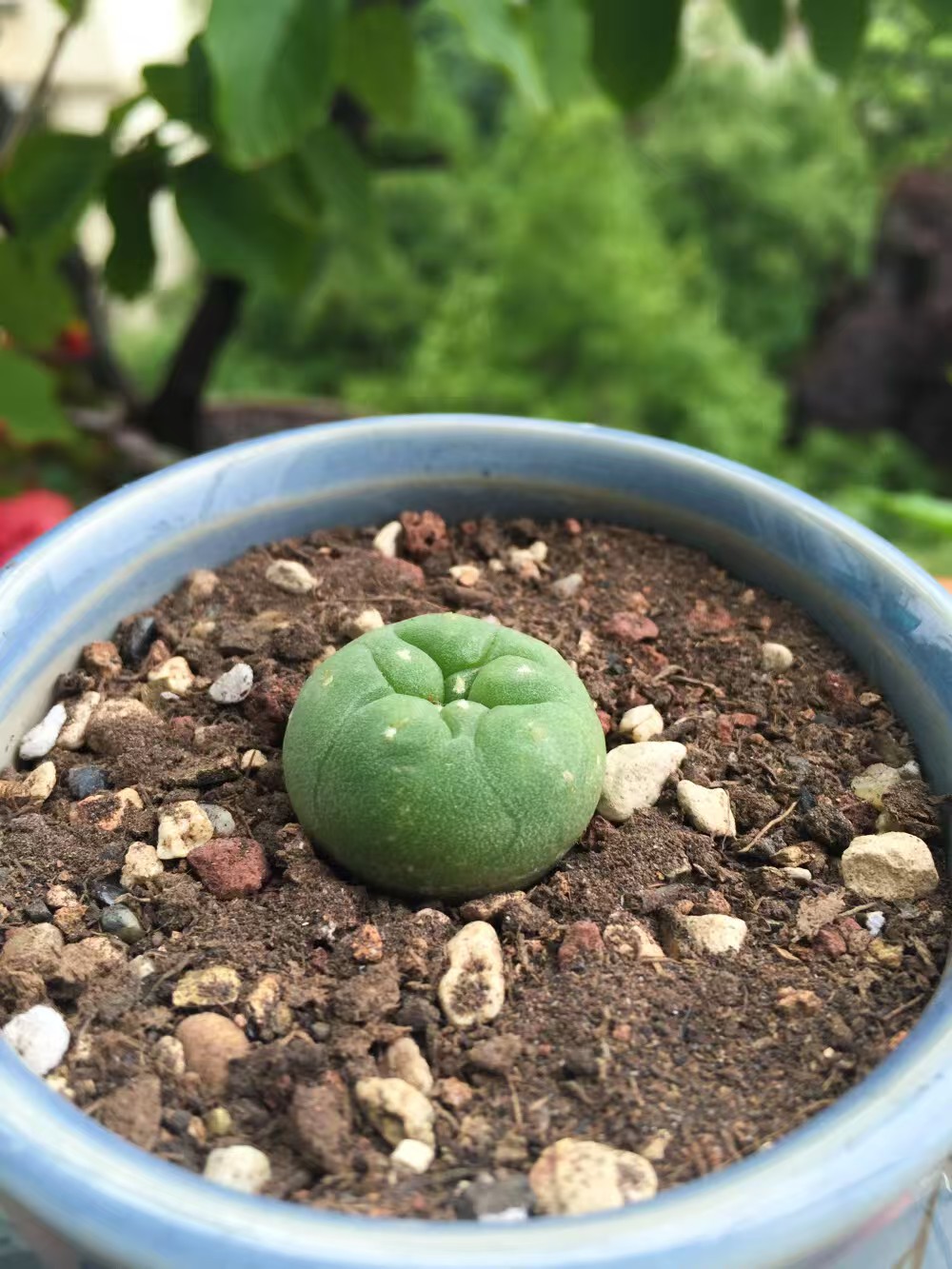
- 0.3–0.5cm Stage (Root Adaptation Period): Growing from 0.3cm to 0.5cm usually takes 2–3 months. During this stage, seedlings prioritize root development, so sphere growth is extremely slow—only 0.05–0.1cm in diameter per month, barely visible to the naked eye. It’s recommended to measure and record growth with a vernier caliper (0.01mm precision) or millimeter ruler.
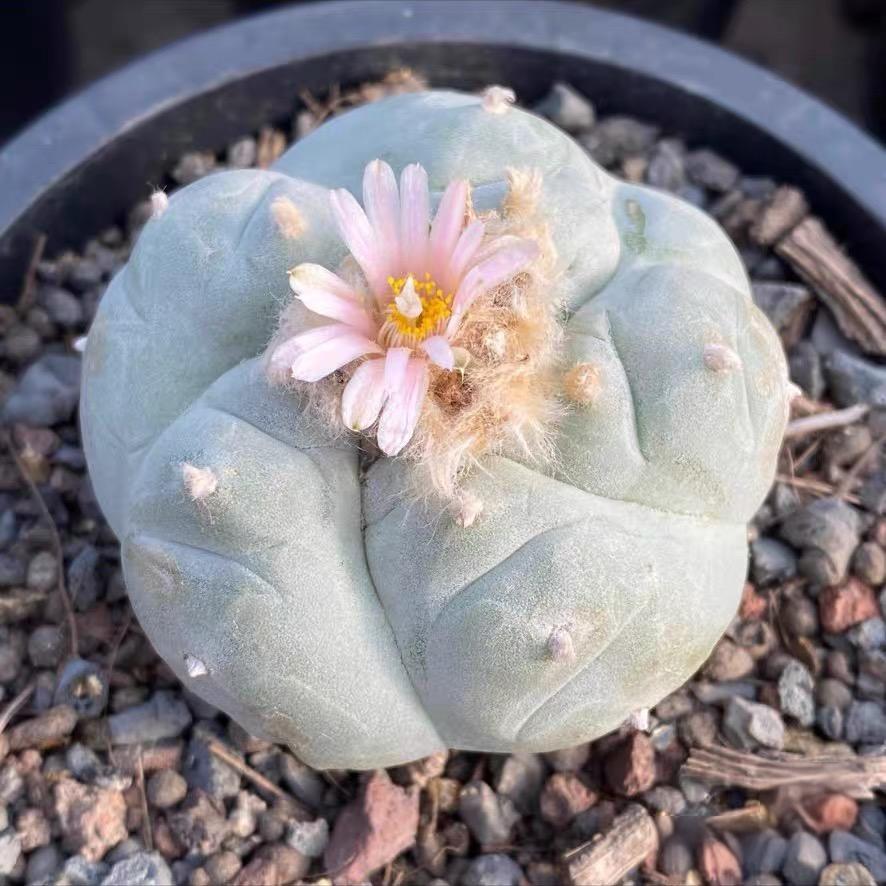
- 0.5–1cm Stage (Sphere Growth Period): After roots stabilize, growth speeds up slightly. Growing from 0.5cm to 1cm takes about 3–4 months, with a monthly diameter increase of 0.1–0.15cm. At this stage, obvious changes emerge: the sphere becomes plumper and more elastic, vertical ribs (typically 5–7) gradually become clear, and the white hairs on the top grow denser, forming a “star-like” pattern.
Note: Growth will stagnate if the environment temperature is below 15°C or above 30°C. A monthly growth increase of less than 0.05cm may also occur due to compacted soil or improper watering (overwatering or underwatering)—adjust care conditions promptly in such cases.

II. Growth Log Template for 0.3cm to 1cm: Track Every Change Clearly
Designed for “simplicity and practicality,” the log focuses on recording “basic data + condition details + care adjustments.” The table format is intuitive and easy to fill out; you can print it or use a digital spreadsheet, updating it 1–2 times a month.
Lophophora williamsii (peyote)seedlings Growth Log (0.3cm–1cm Stage)
Tips for Using the Log:
- Precise Measurement: Measure the sphere at its widest point each time, using the same tool (e.g., vernier caliper) to minimize errors.
- Key Notes: Prioritize recording “sphere color, vertical ribs, hairs, and roots” in the condition column. If abnormalities (e.g., spots, shriveling, rotten roots) are found, write down solutions in the adjustment column (e.g., “Brown spots on the sphere: spray with carbendazim, reduce watering”).
- Photo Assistance: Take close-up photos at the same time and angle monthly, attaching them to the log for more intuitive growth comparisons.
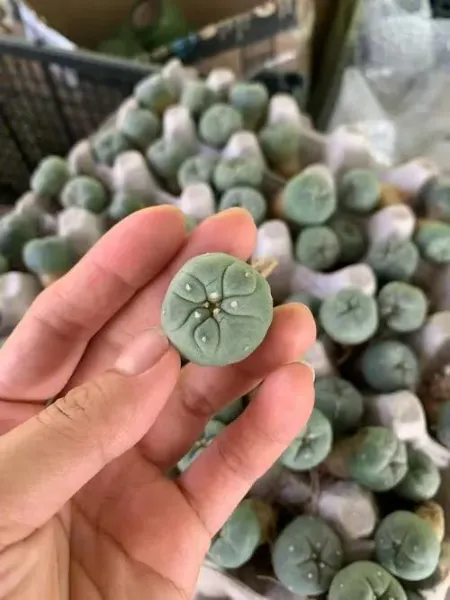
III. 3 Key Tips for Stable Growth of Peyote Seedlings
To keep your seedling’s growth within the normal range, focus on these 3 aspects:
- Temperature Control Is Core: Maintain 18–25°C year-round (optimal temperature). Keep it above 10°C in winter (below 5°C may cause frost damage) and below 32°C in summer (above 35°C may cause sunburn). Avoid placing it near windows (direct cold drafts can cause sudden temperature changes).
- Soil Must Be Aerated: Use a soil mix with 70% granular material (recommended: 4 parts volcanic rock + 3 parts peat moss + 3 parts perlite) throughout the growth period. Loosen the surface soil with a small rake every 3–4 months to prevent compaction.
- Avoid Overcomplicating Watering: Strictly follow the “water thoroughly only when dry” rule—for 0.3–0.5cm seedlings, use bottom-watering (remove once the surface soil is slightly moist); for seedlings over 0.5cm, water slowly along the pot edge, avoiding water on the top hairs (which can cause rot).
Final Reminder: Slow growth is normal for peyote seedlings. As long as the monthly growth increase is no less than 0.05cm and the sphere shows no abnormalities, there’s no need to worry. Consistently using the log not only lets you witness the seedling’s transformation from a “tiny green dot” to a “small sphere” but also helps you accumulate personalized care experience, making future seedling care easier.