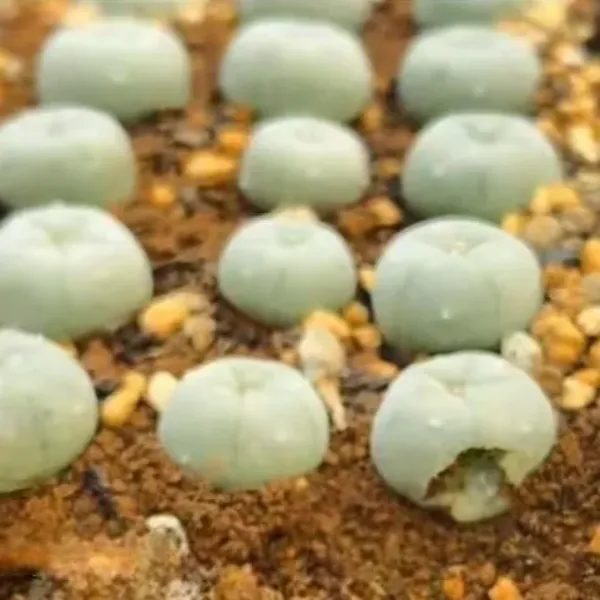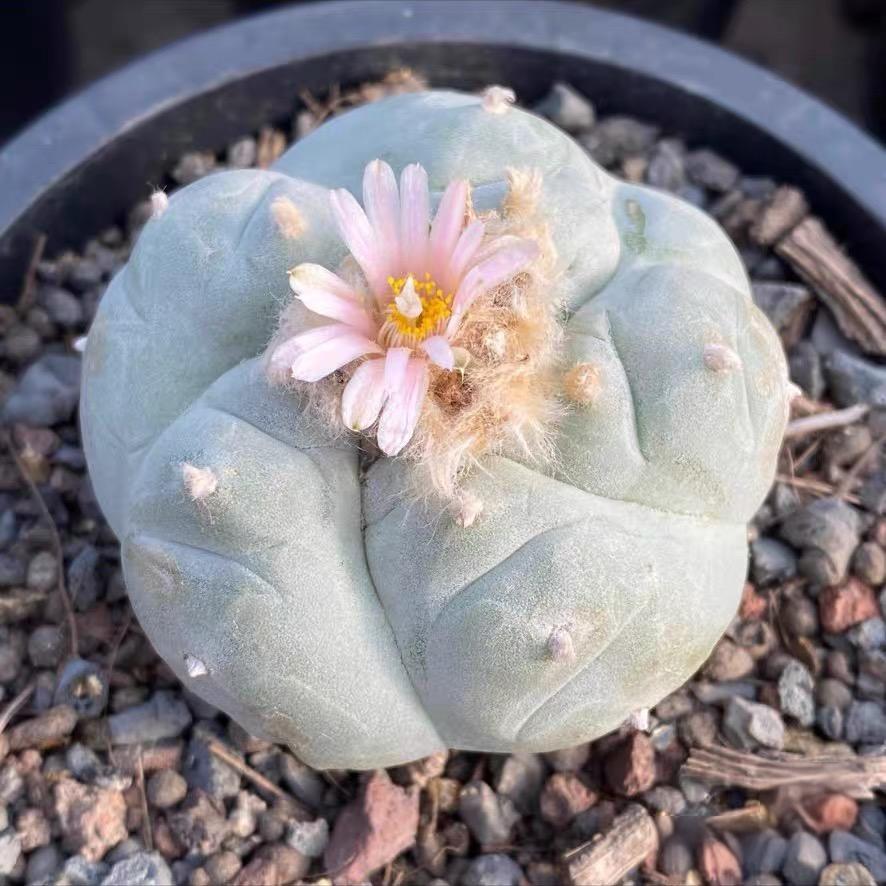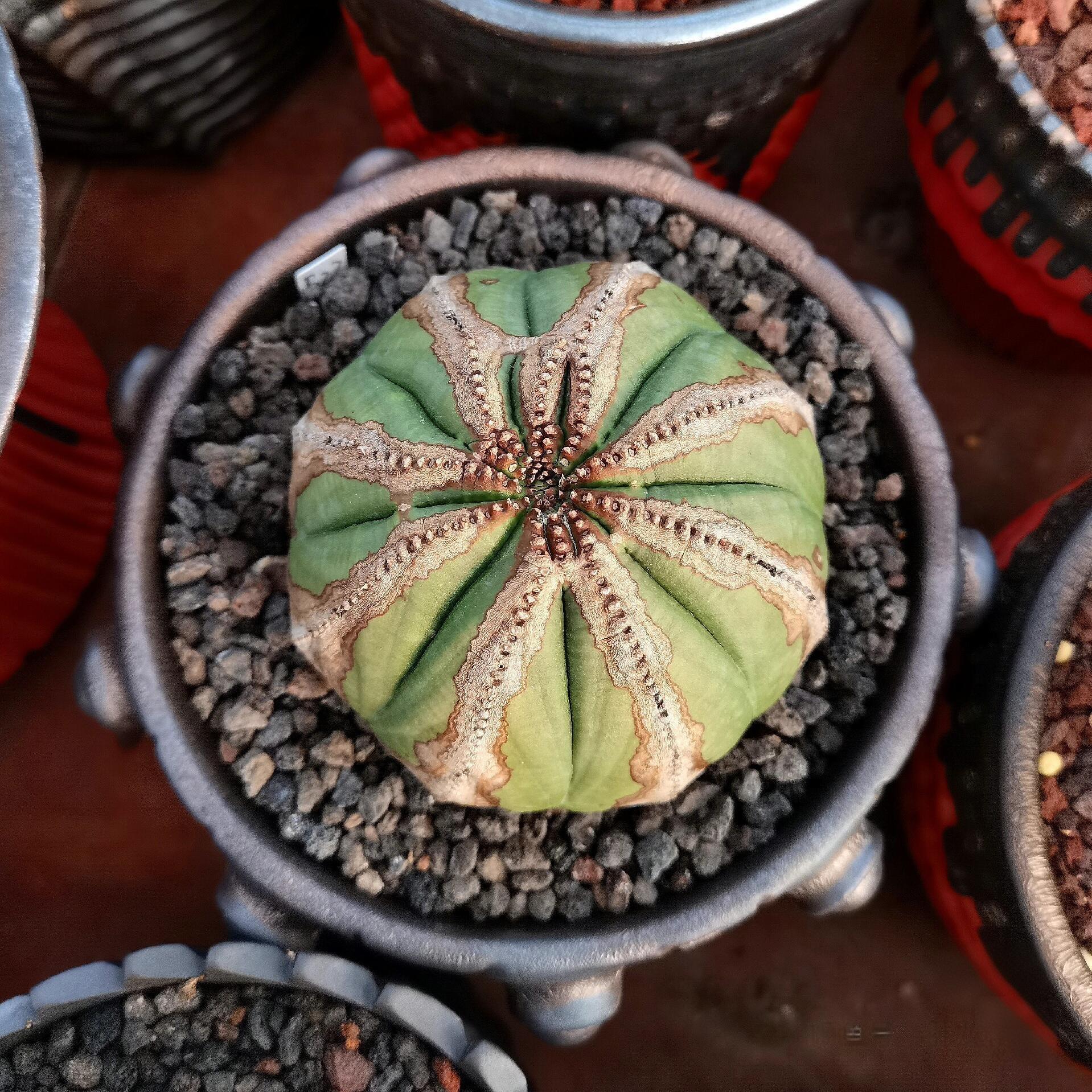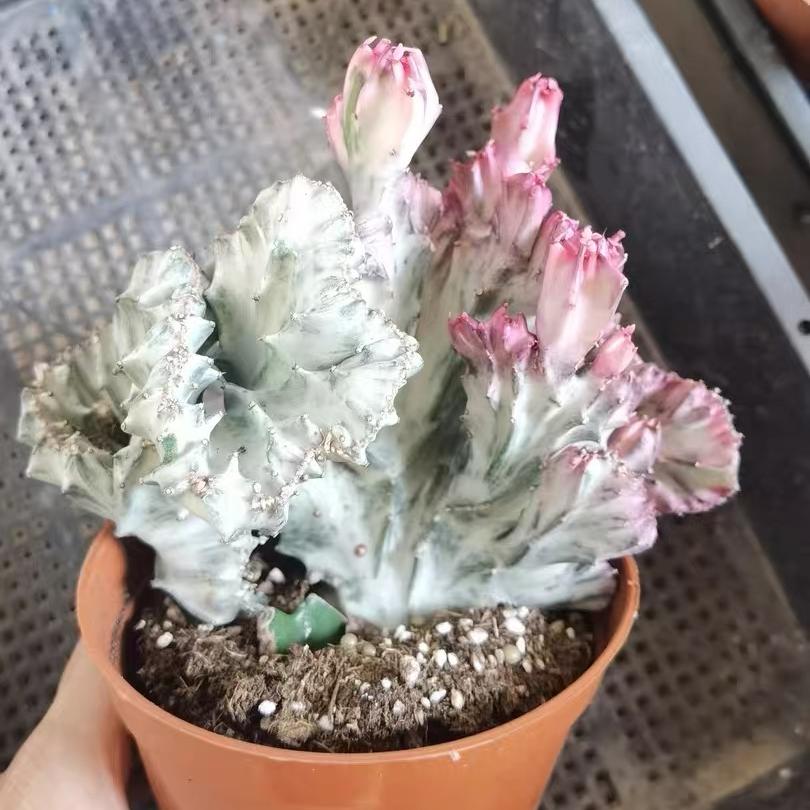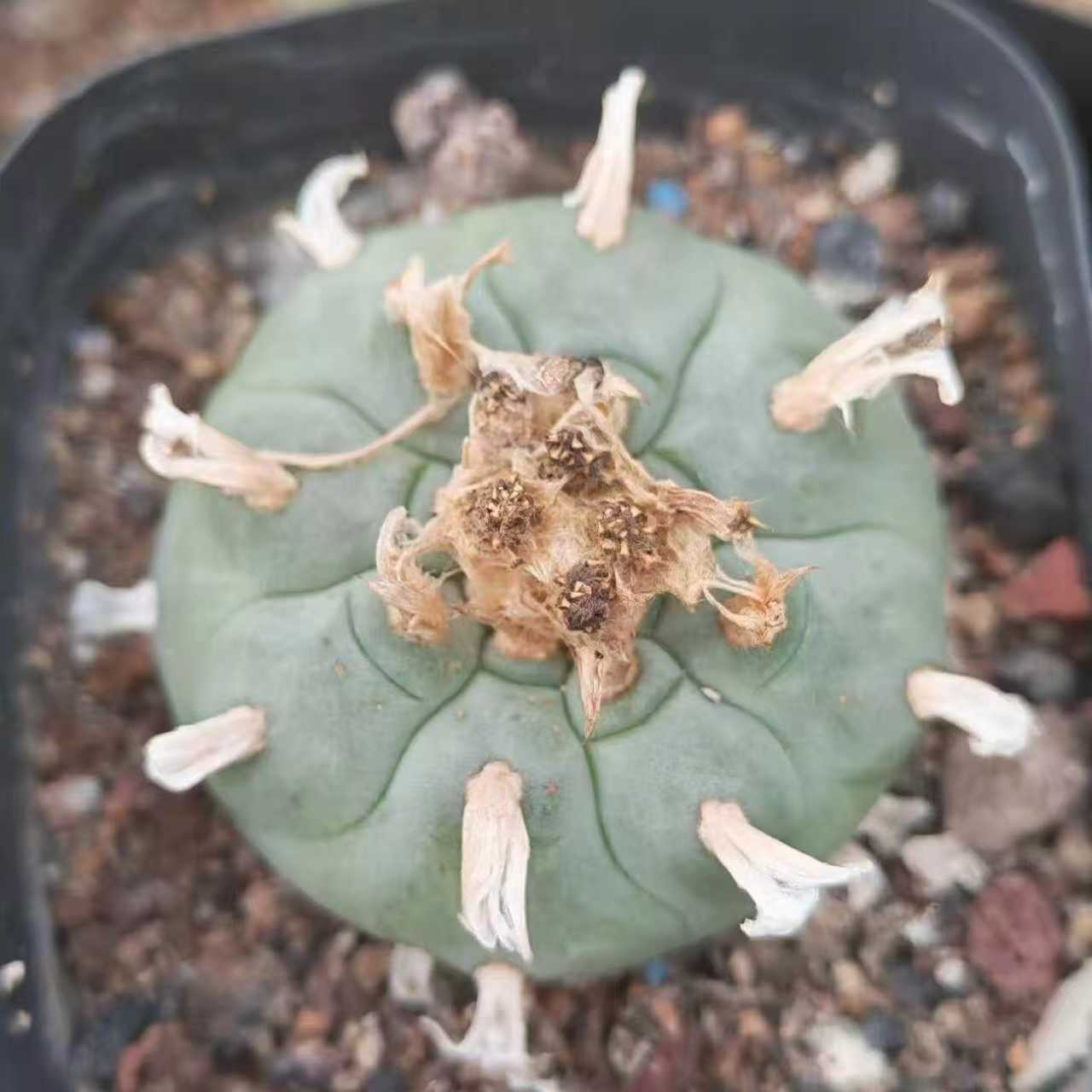
I. First, Identify the Causes: 3 Core Roots of Lophophora williamsii peyote seedlings Diseases
To effectively prevent diseases, it is first necessary to clarify the main causes of seedling diseases so that risks can be avoided in a targeted manner:
1. Excessive Environmental Humidity + Insufficient Ventilation
This is the primary cause. While seedling maintenance requires maintaining a certain level of humidity, poor air circulation will keep the potting soil in a persistently damp and stagnant state, creating an ideal breeding ground for pathogenic bacteria such as Fusarium and Pythium. This further leads to root rot and stem rot—specific symptoms include blackened and rotten roots, brown soft patches at the base of the stem, and eventually seedling lodging in the later stage.
2. Improper Soil Ratio + Lack of Sterilization
If the proportion of peat soil in the potting mix is too high and the amount of granular soil (e.g., akadama soil, volcanic rock) is insufficient, the soil’s water permeability and air permeability will deteriorate. Additionally, unsterilized soil may contain insect eggs or latent pathogens; when the seedling roots come into contact with these, they are easily infected, eventually resulting in "stunted seedlings" (growth arrest) or root rot.
3. Improper Watering and Fertilizing Practices
Overwatering, or allowing water to splash directly onto the stem base during watering, can cause water to accumulate in the gaps of the succulent tissues. Applying fertilizer too early or in excessive amounts (especially chemical fertilizers) can burn the tender roots, damage their absorption function, and indirectly reduce the seedlings’ disease resistance, making them more vulnerable to pathogen attacks.
Lophophora williamsii peyote seedlings is susceptible to several common diseases. The causes and control measures for these diseases are as follows.
I. Diseases: Fungal Infections Dominant, Moisture Control & Ventilation Critical
Most diseases of L. williamsii are caused by fungal growth, with root rot, stem rot, and leaf spot being the most common. Among these, root rot is the primary cause of seedling mortality and requires focused prevention.
1. Root Rot: Most Common, Triggered by Waterlogging
(1) Symptom Identification
- Early stage: Roots turn yellow and soft, easily detachable when touched; slight musty odor emanates from soil;
- Middle stage: Base of the cactus becomes dark and swollen, with water-soaked translucent spots on the cuticle; slow recovery after watering;
- Late stage: Base turns black and rots, detaching easily from soil when touched; rotten tissue is sticky with a pungent musty smell.
(2) Causal Analysis
- Core cause: Overwatering, overly water-retentive soil (e.g., high peat content), or blocked drainage holes lead to prolonged soil moisture, facilitating massive reproduction of fungi like Fusarium and Pythium that invade roots;
- Contributing factors: Unsterilized root damage during repotting, or application of uncomposted organic fertilizer, causing root infection.
(3) Control Measures
- Mild infection (only minor fibrous root rot):
① Immediately stop watering; move to a well-ventilated area with bright light (avoid midday direct sun) to dry soil quickly;
② After soil dries, drench with diluted hymexazol solution (slightly lower concentration than recommended to prevent root burn) along the pot edge, once every 7 days for 2 consecutive applications to inhibit fungal spread.
- Moderate infection (partial taproot rot, no blackening at base):
① Remove from pot, clear all soil; trim rotten roots with alcohol-sterilized scissors until white healthy roots are exposed;
② Soak roots in 1:1000 carbendazim solution for 15 minutes; air-dry in a cool, ventilated place for 2-3 days (until roots turn white and non-sticky);
③ Repot in sterile new soil (70% grit + 30% peat recommended) using a shallow, breathable pot; avoid watering for 1 week post-repotting, then water minimally via bottom soaking (only moisten topsoil).
- Severe infection (base rot):
① If rot is confined to <1/3 of the base, completely excise rotten parts (until healthy tissue with spot-free cut surface is exposed); disinfect cut with wood ash or carbendazim powder;
② Air-dry in a well-ventilated shade for 5-7 days until a dry callus forms; insert into pure grit substrate (e.g., lava rock: akadama = 1:1), keep slightly moist, and wait for root regeneration (2-4 weeks, avoid direct sun);
③ If rot affects >1/2 of the cactus, recovery is unlikely; discard promptly to prevent fungal spread to other succulents.
2. Stem Rot: Wound-Induced, Easily Overlooked
(1) Symptom Identification
- Early stage: Small brown spots appear on the upper/middle cactus; expand into sunken, dry lesions with black mold spots inside;
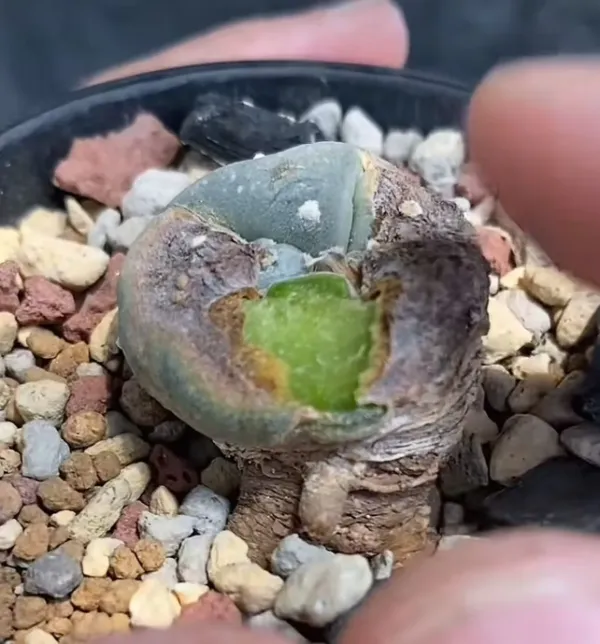
- Late stage: Lesions penetrate inward, causing brown, rotted internal tissue with a hollow feel when pressed; severe cases lead to cactus splitting and oozing brown mucus.
(2) Causal Analysis
- Primary cause: Mechanical damage (e.g., impact, sunburn) or pest bites create wounds, allowing fungi like Colletotrichum to invade;
- Contributing factors: Humidity >60%, poor ventilation, or direct watering on the cactus keeping wounds persistently moist.
(3) Control Measures
- ① Scrape off lesions plus 1cm of surrounding healthy tissue with an alcohol-sterilized blade (ensure no residual pathogens); apply thiophanate-methyl powder to the cut;
- ② Move to a dry, ventilated area; keep cut dry; provide 4-5 hours of mild indirect light daily to promote healing;
- ③ For large lesions, cover cut with sterile gauze after scraping; check every 3 days until callus forms;
- ④ Avoid foliar spraying during healing; water via bottom soaking to prevent moisture contact with the cactus.
3. Leaf Spot: High Humidity/Low Light Induced, Aesthetic Impact Only
(1) Symptom Identification
Light brown circular/irregular spots with pale yellow halos appear on the cactus surface; centers turn gray with tiny black mold spots in later stages; no rotting or softening, only aesthetic damage.
(2) Causal Analysis
- Prolonged indoor low-light conditions combined with high humidity (e.g., rainy seasons, unventilated heated rooms in winter) promote growth of fungi like Alternaria on the cuticle;
- Water droplets remaining on the cactus after watering (without ventilation) create localized high humidity under low light, triggering infection.
(3) Control Measures
- ① Mild infection: Gently wipe spots with cotton swabs dipped in 1:800 chlorothalonil solution, once every 3 days for 3 applications;
- ② Moderate infection: Spray entire plant with 1:1000 mancozeb solution (cover cactus surface and topsoil), once every 10 days for 2 applications;
- ③ Enhance ventilation: Run a fan for 3-4 hours daily to reduce humidity; avoid water droplets on the cactus; extend indirect light to 5-6 hours/day to inhibit fungal growth.
II. Pests: Sucking Insects Dominant, Early Detection Critical
Pests of L. williamsii primarily infest roots and cactus surfaces, with root mealybugs, red spiders, and scale insects being most common. Early symptoms are subtle, often delaying timely control.
1. Root Mealybugs: Soil-Dwelling, Sap-Sucking Pests
(1) Symptom Identification
- Early stage: Stunted growth, wrinkled cactus, no improvement after watering; occasional white cotton-like substance on soil surface;
- Middle stage: White insects (1-2mm long, oval, waxy-coated) on roots when repotted; roots turn brown and shriveled; white eggs present in soil;
- Late stage: Massive root death, cactus softens and shrinks from nutrient deprivation; may induce root rot.
(2) Causal Analysis
- Unsterilized soil (e.g., garden soil or reused soil) harbors latent eggs;
- Newly purchased plants carry eggs, planted directly without quarantine, causing pest spread.
(3) Control Measures
- Mild infection (few insects on roots):
① Remove from pot, clear soil, rinse roots; trim infested root segments;
② Soak roots in 1:1500 thiamethoxam solution for 20 minutes; air-dry and repot in new soil; sterilize pot by boiling water.
- Moderate infection (heavy infestation, eggs in soil):
① Discard old soil entirely; soak pot in 1:5000 potassium permanganate solution for 30 minutes;
② Mix 0.5% chlorpyrifos granules (by soil weight) into new soil after root trimming to prevent egg hatching;
③ Drench 1:2000 imidacloprid solution along pot edge post-repotting, once every 10 days for 2 applications to kill residual larvae.
2. Red Spiders: Hairy Cactus Areas, Sap-Sucking Pests
(1) Symptom Identification
- Early stage: Tiny white spots (from sap loss) on cactus surface; fine white webbing between hairs;
- Middle stage: Spots merge into patches, cactus turns gray, hairs mat; red mites (0.3-0.5mm long, fast-moving) on offsets' undersides;
- Late stage: Cactus loses luster, shrinks gradually; offsets detach in severe cases.
(2) Causal Analysis
- Dry environment (humidity <30%) and poor ventilation favor red spider reproduction;
- Unclean cactus surface with accumulated dust in hairs provides habitat.
(3) Control Measures
- ① Spray 1:1500 abamectin solution, focusing on cactus surface and hair crevices (especially top and offset junctions), once every 5 days for 3 applications;
- ② For dense hairs, gently brush off insects/webbing with a soft brush before spraying to improve efficacy;
- ③ Increase humidity: Place a water basin nearby or mist air (avoid cactus), maintain 40%-50% humidity to inhibit reproduction.
3. Scale Insects: Base-Dwelling, Waxy-Coated Pests
(1) Symptom Identification
- Early stage: Small brown bumps (2-3mm long, oval, waxy-shelled) at cactus base/soil contact; immobile, hard to detect;
- Middle stage: Insects cluster into waxy patches; secrete honeydew attracting ants; induces sooty mold (black mold layer on cactus);
- Late stage: Base cuticle turns brown, nutrient transport blocked, growth stagnant.
(2) Causal Analysis
- Poor ventilation and 20-25℃ temperature favor massive reproduction;
- Spread via contact with infested neighboring plants or ant transportation.
(3) Control Measures
- Mild infection (<5 insects):
① Wipe insects with cotton swabs dipped in 75% alcohol (dissolves wax shell to kill adults);
② Move to ventilated area to evaporate alcohol and avoid cuticle damage.
- Moderate infection (many insects, honeydew present):
① Spray 1:1000 buprofezin solution, focusing on base and topsoil, once every 7 days for 2 applications (effective against nymphs and adults);
② If sooty mold occurs, spray carbendazim solution simultaneously to remove mold and ensure photosynthesis.
III. General Prevention Tips: Prevention Better Than Cure
1. Soil & Pot Management
- Always sterilize soil (sun exposure for 2 days or mixed with carbendazim); grit content ≥60% to prevent waterlogging;
- Use shallow, breathable pots (terracotta recommended); line 2cm of drainage gravel at the bottom; check drainage holes regularly for blockages.
2. Environment Regulation
- Provide 4-6 hours of mild light daily (avoid direct sun); maintain 30%-50% humidity; ventilate 3-4 hours/day (especially after watering);
- Shade and cool when >30℃ in summer; insulate when <10℃ in winter; avoid drastic environmental fluctuations causing stress.
3. Daily Care Details
- Water only when soil is dry; use bottom soaking method, avoid drenching the cactus;
- Sterilize roots and pots thoroughly during repotting; quarantine new plants for 2 weeks before planting;
- Drench roots with 1:2000 carbendazim monthly; spray imidacloprid every 2 months for proactive prevention.
4. Timely Quarantine
- Isolate infested plants immediately to prevent spread;
- Use dedicated tools for treatment; sterilize tools afterward to avoid cross-contamination.
II. Scientific Prevention: Implement 5 Key Protection Measures in Stages
(I) Sowing Stage: Block Pathogen Invasion from the Source
The sowing stage is a critical starting point for disease prevention, requiring focus on two core tasks: "soil sterilization" and "environmental humidity control":
1. Thorough Soil Sterilization
Adopt a dual-protection approach of "high-temperature sterilization + chemical assistance": Place the prepared sowing soil (6 parts akadama soil + 3 parts volcanic rock + 1 part peat) into a baking tray, and bake it in an oven at 120°C for 30 minutes to kill insect eggs and pathogenic bacteria in the soil. After the soil cools down, mix in 5% carbendazim wettable powder (based on the weight of the soil) to further inhibit mold growth.
2. Avoid Excessive Dampness and Stagnation After Sowing
When covering with plastic wrap or a glass sheet, leave 2-3 small ventilation holes along the edges—complete sealing is unnecessary. Ventilate the area 1-2 times a day, 15-20 minutes each time. If white mold spots appear on the soil surface, immediately sprinkle a thin layer of plant ash (or spray a 500x diluted carbendazim solution) and extend the ventilation time to 30 minutes per session.
(II) Post-Germination Stage: Refined Regulation of Environment, Water, and Fertilizer
After seedlings emerge from the soil, their roots and succulent leaves gradually develop—maintenance methods must be adjusted promptly to reduce disease risks:
1. "Mild Adaptation" of Light and Temperature
After germination, first place the seedlings in a diffused light environment (e.g., a windowsill with a screen) to avoid leaf scorching caused by direct sunlight—damaged leaves are prone to local infection. The temperature should be controlled between 22-28°C; if the ambient temperature drops below 15°C or exceeds 32°C, take timely intervention measures (e.g., covering with a thermal bag in low temperatures, moving to a cool and ventilated area in high temperatures). Sharp temperature fluctuations will significantly reduce the seedlings’ disease resistance.
2. Watering Following the Principle of "Small Amounts, Frequent Applications + Avoiding Leaves and Stems"
Use the "bottom-watering method": Place the flower pot in a shallow tray, pour clean water until it reaches 1/3 the height of the potting soil, and allow water to seep slowly into the soil through the drainage holes at the bottom of the pot. This avoids water splashing onto the stem base and leaves during direct watering. The frequency of watering should follow the rule of "watering when the soil surface is slightly dry"—do not wait until the potting soil is completely dry (seedlings have poor drought tolerance) nor allow long-term waterlogging of the potting soil (waterlogging easily induces root rot).
3. Strictly Prohibit Early Fertilization
No fertilization is required within 3 months after seedlings emerge: During this stage, seedlings can maintain growth by consuming their own seed nutrients and small amounts of organic matter in the soil. Early fertilization (especially chemical fertilizers) can easily cause "root burning," and the resulting wounds are highly susceptible to pathogen infection. If seedlings still grow slowly after 3 months, spray a 1000x diluted decomposed organic fertilizer (e.g., seaweed fertilizer) only once, and strictly control the concentration (do not arbitrarily increase the dosage).
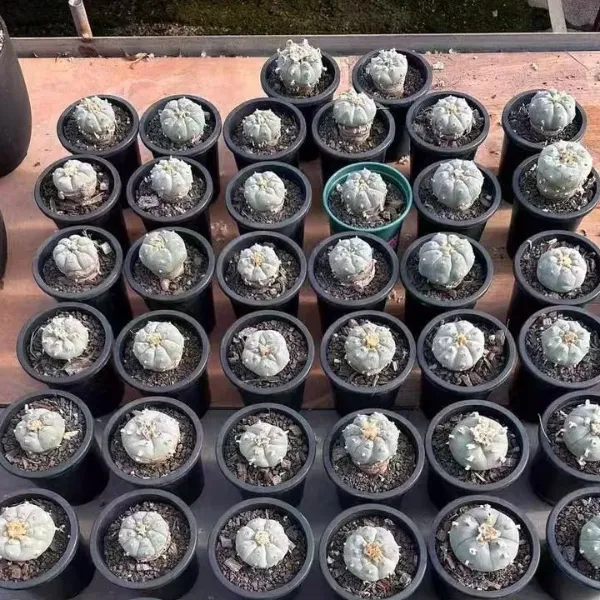
Even with basic protection in place, it is still necessary to regularly observe the growth status of seedlings, promptly detect early signs of disease, and handle them quickly:
1. Daily Observation of "Three Key Points"
- Leaves: Check for brown spots and soft rot symptoms (healthy leaves should be plump, blue-green, and free of deformities or softening);
- Stem Base: Check for blackening and constriction (a healthy stem base should be light green, with no abnormal protrusions, depressions, or stickiness);
- Soil Surface: Check for mold spots and insect eggs (e.g., white cotton-like substances may be root mealybug larvae, which require close vigilance).
2. Immediate Handling of Abnormalities
- If only mold spots appear on the soil surface: Gently scrape off the mold layer, sprinkle a layer of plant ash, and increase ventilation frequency afterward;
- If a small number of spots appear on leaves: Spray a 500x diluted carbendazim solution twice in a row (with a 3-day interval), and suspend watering during this period;
- If root rot is detected: Remove the pot and clean off the attached soil, immediately cut off the rotten roots, soak the remaining healthy roots in a carbendazim solution for 10 minutes, air-dry them for 2-3 days, and then replant them in new sterilized soil. Do not water immediately after replanting—only add a small amount of water (just to moisten the soil surface) after 3 days.